Master Respiratory Pathogens - 28 at Home in Dubai
Master Respiratory Pathogens - 28 test in 689 aed. Vesta Care provide free sample collection in Dubai. Call @ +971 52 270 4729

Home sample collection, lab processing, secure report & a free doctor consultation — no hidden fees.
Book Now- DHA-licensed phlebotomist at your door
- Complimentary medical consultation with a doctor
- ISO 15189-accredited laboratory · results in 24 hours
- Session time 30–45 min · home visit within 45 minutes
 ISO 15189
Explore the included tests and biomarkers
Select a profile or test to see its included components and a plain-language explanation. Related measurements are grouped together for easier reading.
The listed influenza targets identify the influenza types or subtypes covered by this respiratory panel. Results depend on sample quality and when the sample was collected during illness. Detection supports assessment of respiratory infection but does not, by itself, indicate how severe the illness will be.
These are the additional respiratory-virus targets included in this selection. Different viruses can cause similar symptoms, which is why they may be assessed together. A positive result needs clinical interpretation, and a negative result does not exclude viruses outside the panel or an infection missed because of sampling timing or quality.
This group contains the coronavirus targets specifically named in the panel. Seasonal coronaviruses and SARS-CoV-2 are distinct targets; only those listed here are included. Results are interpreted with symptoms, sampling time and the specimen type. A negative panel does not exclude every possible cause of respiratory symptoms.
The panel checks the bacterial targets listed here. Results may help investigate respiratory symptoms, but detection can have different significance for different organisms and specimen types. Clinical findings and, where appropriate, culture or other testing are used to interpret the result and decide whether treatment is needed.
A complete picture of your health, without a clinic queue
A DHA-licensed phlebotomist collects your sample at home, our ISO 15189-accredited laboratory processes it, and a doctor reviews the results with you over a complimentary consultation — so you finish with a plan, not just a PDF.
Who it's for
- Infection Testing
- Respiratory Health
- Comprehensive Pathogen Panel
- Chronic Cough
How it works
- 1Book & add to cartChoose a date and time — same-day appointments across Dubai.
- 2Home sample collectionA DHA-licensed phlebotomist collects your sample at home in one visit.
- 3Lab processingYour sample is analysed at our ISO 15189-accredited laboratory.
- 4Results + consultationFast results, then a free doctor consultation to explain them.
What your results reveal
Read together by a doctor, your biomarkers build a connected picture of your health.
Respiratory Tract Infection
Influenza
COVID-19
Pneumonia

Ready when you are — your Master Respiratory Pathogens - 28
Pick a date or start booking below — your Master Respiratory Pathogens - 28 is already loaded into your cart.
How to prepare
No fasting or preparation needed. Avoid nasal sprays, decongestants and nose-blowing for an hour before the swab. Test while symptoms are still active — viral loads fall as an illness resolves, and swabbing late in the course is the usual reason a clearly unwell person returns a negative panel across all twenty-eight targets.
Who should take this test
For a respiratory illness that is not behaving as expected, is dragging on, or keeps returning — and for households where one infection has passed round several people. Testing twenty-eight pathogens at once answers which virus or bacterium is responsible rather than treating blind. Especially useful for people with asthma or lung disease, and where an unnecessary antibiotic course is worth avoiding.
Everything you need to know about the Master Respiratory Pathogens - 28
Master Respiratory Pathogens - 28 test in 689 aed. Vesta Care provide free sample collection in Dubai. Call @ +971 52 270 4729
By the time a cough has gone on long enough to worry you, the list of things it could be is long and the symptoms have stopped being much help. A multiplex swab does not work through that list one test at a time — it asks about the whole list at once.
What a multiplex PCR swab actually does
One swab of respiratory secretions is taken from the nose. In the laboratory the material on that swab is divided across many parallel reactions, each one primed to recognise the genetic signature of a specific organism, and every target is reported separately as found or not found.
The practical consequence is that the panel does not have to be aimed. You are not choosing in advance which infection to look for and hoping you chose correctly; the same sample is questioned about all twenty-eight targets, viral and bacterial, in a single pass.
Why more than one result can come back positive
Co-infection is common, particularly in children, in crowded households, and in anyone whose airway is already irritated. Two organisms can be present at the same time, and when they are, the illness that follows is often heavier and longer than either would have produced alone.
A single-target test cannot see this. If you test for one virus, find it and stop looking, a bacterium sitting alongside it goes unnoticed and untreated — and it is usually the untreated half that explains why recovery stalls. A panel that reports every target independently shows the whole picture rather than the first thing it happens to hit.
Mis-attribution, and the antibiotic problem
The mistake this panel is best at preventing is treating the wrong kind of infection. Most respiratory illness is viral, and antibiotics do nothing whatsoever to a virus — yet a cough with no name attached is one of the most common reasons a course gets prescribed anyway.
The reverse mistake is just as real. Some of the bacteria covered here cause illnesses that are routinely written off as a bad cold and left alone for weeks, when they genuinely do need antibiotic treatment. Symptoms cannot separate those two situations. Naming the organism can.
Choosing this panel rather than one of the narrower ones
The respiratory panels are deliberately tiered. One viral panel covers the seasonal viruses behind abrupt, feverish, chest-involving illness. A second viral panel covers the cold-type viruses and the coronaviruses that circulate year-round. A third panel covers respiratory bacteria. Each of those is a sensible choice when you already have a reasonable idea of what shape the illness is.
This twenty-eight-target panel is the one to book when you do not. It combines the viral and bacterial coverage in a single sample and removes the need to guess correctly before testing, which is usually the hardest part of the decision.
The two days before your results arrive
A panel this broad takes longer to run than a single-target test. Treat the wait as recovery time: rest, fluids, and whatever you would normally use for fever and aches. Waiting for a laboratory result should not change ordinary care at home.
One thing it should not change is your threshold for seeking help. Difficulty breathing, chest pain, confusion, or a child who is becoming drowsy or refusing to drink are reasons to be seen straight away, not reasons to wait for a report. The panel exists to guide treatment, not to delay it.
Compare other health checkups



Care you can trust — from named, DHA-licensed clinicians
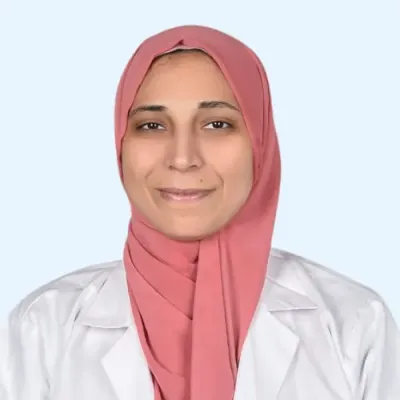
Written for Vesta Care patients in Dubai, using the laboratory's own panel definitions and reference ranges. Content is reviewed for clinical accuracy before publication and updated whenever the panel composition changes.

Independently reviewed for clinical accuracy: the biomarkers listed, what each one measures, the conditions it helps identify and the preparation advice were checked against current laboratory practice. Reviewing clinician is always different from the author, and no page is published without this second read.
This article has been reviewed for medical accuracy. It is intended for informational purposes only and does not substitute professional medical advice, diagnosis, or treatment.


