Advanced Fitness Profile at Home in Dubai
Advanced fitness blood test Dubai. Check hormones, thyroid, vitamins, iron, metabolism & more. 66 biomarkers for athletes. Results in 24 hours at AED 689.

Home sample collection, lab processing, secure report & a free doctor consultation — no hidden fees.
Book Now- DHA-licensed phlebotomist at your door
- Complimentary medical consultation with a doctor
- ISO 15189-accredited laboratory · results in 24 hours
- Session time 30–45 min · home visit within 45 minutes
 ISO 15189
Explore the included tests and biomarkers
Select a profile or test to see its included components and a plain-language explanation. Related measurements are grouped together for easier reading.
A complete blood count examines red blood cells, white blood cells and platelets. The listed measurements include cell numbers and indices describing red-cell size and haemoglobin content, together with the white-cell differential. These results help clinicians assess anaemia, infection and blood-cell disorders. Abnormal values are interpreted together and alongside symptoms; a blood count does not identify a diagnosis by itself.
Qualitative CRP testing reports whether C-reactive protein meets the assay’s threshold. It is a nonspecific indicator of inflammation, not a diagnosis.
Ferritin helps assess stored iron; inflammation can also raise it. Serum iron measures iron circulating in the blood. Transferrin saturation describes how much of the iron-binding capacity is occupied. TIBC reflects the blood’s capacity to bind and transport iron. These complementary measurements are interpreted together with symptoms and, when available, the blood count. A result is not a diagnosis on its own.
HbA1c reflects average blood glucose over approximately the previous two to three months. Fasting glucose measures blood sugar after the prescribed fasting period. The components listed are the tests included in this package. Results are interpreted together, and repeat or additional testing may be needed to establish a diagnosis.
This profile brings together the liver-related enzymes, bilirubin fractions and protein measurements listed here. Enzyme results can signal tissue irritation, while bilirubin and proteins provide different information about processing and synthetic function. Some markers also originate outside the liver. Clinicians interpret the pattern rather than any single number; abnormal results do not, on their own, establish the cause.
These kidney-related measurements assess waste products and, where listed, associated calculated values and minerals. Creatinine and eGFR help assess filtration; urea-related values can also be influenced by hydration and protein intake. The report’s reference ranges and changes over time matter. A single abnormal result does not establish chronic kidney disease, and results should be interpreted with the clinical history.
The listed cholesterol fractions and triglycerides describe the fats carried in your blood. Any ratios or non-HDL values shown are related calculated results, not additional infections or diseases being tested. The profile contributes to cardiovascular risk assessment alongside age, blood pressure, smoking, diabetes and other factors. It does not show whether an artery is blocked.
Testosterone is involved in sexual development and reproductive function; interpretation depends on age, sex and sampling time. Hormone values depend on age, sex, medication and, where relevant, menstrual stage. Labels identify any sex-specific selection; the results do not diagnose infertility by themselves.
Sodium helps regulate fluid balance and nerve and muscle function. Potassium supports nerve signalling, muscle function and heart rhythm. Chloride contributes to fluid and acid–base balance. These measurements are interpreted with hydration, medicines and kidney function. Only the electrolytes listed here are included in this group.
TSH is a pituitary hormone that regulates the thyroid gland. Free T3 measures the unbound fraction of triiodothyronine, a thyroid hormone. Free T4 measures the unbound fraction of thyroxine, a thyroid hormone. The listed thyroid measurements are interpreted together and with symptoms, medicines and the laboratory’s reference ranges.
The 25-hydroxyvitamin D measurement is used to assess vitamin D status and helps evaluate bone and mineral health. Vitamin B12 is needed for normal red blood cell production and nerve function. Folate supports DNA synthesis and red blood cell production. These are the vitamin measurements included in this package. Levels are interpreted with symptoms, diet, supplements and the laboratory’s reference ranges; an isolated result does not determine treatment.
Zinc is involved in immune function, tissue repair and many enzyme reactions. Magnesium supports muscle, nerve and enzyme function. The listed blood measurements are interpreted with symptoms, diet, supplements and other relevant results. They do not by themselves establish the cause of an abnormal level.
LDH is an enzyme found in many tissues. Raised blood levels can accompany cell injury, but cannot show the source or cause without other information.
A complete picture of your health, without a clinic queue
A DHA-licensed phlebotomist collects your sample at home, our ISO 15189-accredited laboratory processes it, and a doctor reviews the results with you over a complimentary consultation — so you finish with a plan, not just a PDF.
Who it's for
- Fitness & Performance
- Sports Health
- Energy & Recovery
- Hormonal Health
How it works
- 1Book & add to cartChoose a date and time — same-day appointments across Dubai.
- 2Home sample collectionA DHA-licensed phlebotomist collects your sample at home in one visit.
- 3Lab processingYour sample is analysed at our ISO 15189-accredited laboratory.
- 4Results + consultationFast results, then a free doctor consultation to explain them.
What your results reveal
Read together by a doctor, your biomarkers build a connected picture of your health.
Iron Deficiency
Overtraining Syndrome
Thyroid Dysfunction
Hormonal Imbalance
Nutritional Deficiency

Ready when you are — your Advanced Fitness Profile
Pick a date or start booking below — your Advanced Fitness Profile is already loaded into your cart.
How to prepare
Fast for eight to ten hours — water is fine. Do not train hard on the morning of the test, and ideally leave twenty-four hours after any heavy session: intense exercise raises muscle enzymes and shifts several markers here, which is the most common reason a fitness panel reads oddly. Keep taking your usual medication and avoid alcohol the day before.
Who should take this test
For people training seriously who want objective data rather than guesswork — sixty-six markers covering muscle enzymes, hormones, metabolic and organ function. Useful when performance has plateaued, recovery has slowed, or you are planning a training block and want a baseline. Also worth doing before starting any supplement regime, so you can tell what changed rather than assuming.
Everything you need to know about the Advanced Fitness Profile
Advanced fitness blood test Dubai. Check hormones, thyroid, vitamins, iron, metabolism & more. 66 biomarkers for athletes. Results in 24 hours at AED 689.
A blood panel cannot tell you how fit you are. What it can do is show whether something physiological is capping the return you get from your training — because when progress stalls for months, the cause is more often iron, thyroid or unrecovered load than it is effort.
What blood work can and cannot say about performance
Nothing here measures fitness. There is no marker for endurance, none for strength, and no value on the report that translates into a time or a lift. What the panel measures are the conditions your training depends on: how much oxygen your blood can carry, whether iron is available to keep making more of it, what your metabolic rate is being set to, how your liver and kidneys are handling the load, and how much inflammation you are carrying between sessions.
Those conditions set a ceiling. Training determines how close to it you get. Testing is useful precisely when the effort is already there and the results are not.
Why iron is measured several different ways
Serum iron on its own is close to useless in an athlete — it swings through the day and with meals. Ferritin describes the store. Transferrin saturation and total binding capacity describe how full the transport system is. It takes all of them together to distinguish a genuinely empty store from iron that is present but held back by inflammation after a heavy training block.
This matters because performance drops at the point where stores run down, not at the much later point where haemoglobin falls and anaemia appears. Endurance athletes lose iron through sweat, through the gut, and through the repeated impact of running itself.
When in your training week to give the sample
A hard session distorts a surprising number of these values. Muscle enzymes and lactate dehydrogenase stay raised for a day or two afterwards, the white cell count shifts, and dehydration concentrates the whole sample. What you want measured is your baseline, not your response to Tuesday. Give the sample in the morning after a rest day or an easy one, after the fasting window the panel requires, and before that day's session rather than after it — then keep those conditions identical every time you repeat it.
Why there is no single number for overtraining
No marker diagnoses it, and anyone offering one is overselling. What this panel provides is supporting context — testosterone, thyroid output, ferritin, an inflammatory marker, muscle enzymes — and that context is only interpretable next to your training load, your sleep, your appetite and your performance data. A cluster of them moving in the wrong direction during a period of high load is worth acting on. Any one of them in isolation is noise.
The nutrients that matter for training before they matter for health
Magnesium, zinc, folate, B12 and vitamin D are not on this panel as general screening. Magnesium is involved in muscle contraction and relaxation, zinc in hormone production and tissue repair, folate and B12 in manufacturing red cells, vitamin D in muscle function and bone loading. A shortfall in any of them shows up first as poor recovery, disturbed sleep and sessions that feel harder than they should — long before it becomes a health problem with a name attached.
Compare other health checkups



Care you can trust — from named, DHA-licensed clinicians
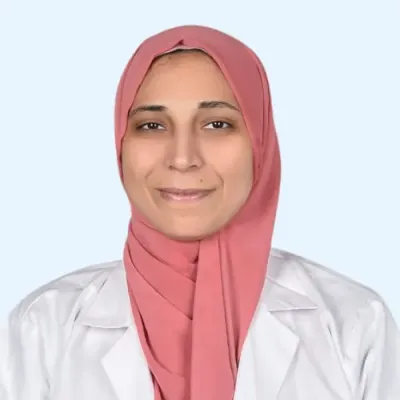
Written for Vesta Care patients in Dubai, using the laboratory's own panel definitions and reference ranges. Content is reviewed for clinical accuracy before publication and updated whenever the panel composition changes.
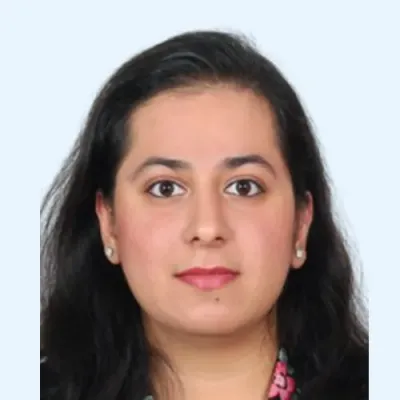
Independently reviewed for clinical accuracy: the biomarkers listed, what each one measures, the conditions it helps identify and the preparation advice were checked against current laboratory practice. Reviewing clinician is always different from the author, and no page is published without this second read.
This article has been reviewed for medical accuracy. It is intended for informational purposes only and does not substitute professional medical advice, diagnosis, or treatment.


