Executive Health Checkup at Home in Dubai
Enhance focus and motivation naturally with our supplements for improved mental clarity and energy. Stay sharp and driven!

Home sample collection, lab processing, secure report & a free doctor consultation — no hidden fees.
Book Now- DHA-licensed phlebotomist at your door
- Complimentary medical consultation with a doctor
- ISO 15189-accredited laboratory · results in 24 hours
- Session time 30–45 min · home visit within 45 minutes
 ISO 15189
Explore the included tests and biomarkers
Select a profile or test to see its included components and a plain-language explanation. Related measurements are grouped together for easier reading.
A complete blood count examines red blood cells, white blood cells and platelets. The listed measurements include cell numbers and indices describing red-cell size and haemoglobin content, together with the white-cell differential. These results help clinicians assess anaemia, infection and blood-cell disorders. Abnormal values are interpreted together and alongside symptoms; a blood count does not identify a diagnosis by itself.
Routine urinalysis examines physical, chemical and microscopic features of urine. The listed observations can provide clues about urinary tract inflammation, blood, protein, glucose and other findings. Microscopic observations and calculated report fields are not separate disease diagnoses. Results are interpreted with symptoms and specimen quality; urinalysis does not replace a urine culture when one is needed.
A routine stool examination assesses a stool sample for physical and microscopic findings according to the laboratory’s method. It can support investigation of gastrointestinal symptoms. This routine examination is different from a dedicated molecular pathogen panel or a separately ordered occult-blood assay. No additional organism-specific PCR tests are implied by this item.
TSH is a pituitary hormone that regulates the thyroid gland. Free T4 measures the unbound fraction of thyroxine, a thyroid hormone. Free T3 measures the unbound fraction of triiodothyronine, a thyroid hormone. The listed thyroid measurements are interpreted together and with symptoms, medicines and the laboratory’s reference ranges.
These kidney-related measurements assess waste products and, where listed, associated calculated values and minerals. Creatinine and eGFR help assess filtration; urea-related values can also be influenced by hydration and protein intake. The report’s reference ranges and changes over time matter. A single abnormal result does not establish chronic kidney disease, and results should be interpreted with the clinical history.
The listed cholesterol fractions and triglycerides describe the fats carried in your blood. Any ratios or non-HDL values shown are related calculated results, not additional infections or diseases being tested. The profile contributes to cardiovascular risk assessment alongside age, blood pressure, smoking, diabetes and other factors. It does not show whether an artery is blocked.
This profile brings together the liver-related enzymes, bilirubin fractions and protein measurements listed here. Enzyme results can signal tissue irritation, while bilirubin and proteins provide different information about processing and synthetic function. Some markers also originate outside the liver. Clinicians interpret the pattern rather than any single number; abnormal results do not, on their own, establish the cause.
Serum iron measures iron circulating in the blood. TIBC reflects the blood’s capacity to bind and transport iron. Transferrin saturation describes how much of the iron-binding capacity is occupied. These complementary measurements are interpreted together with symptoms and, when available, the blood count. A result is not a diagnosis on its own.
Fasting glucose measures blood sugar after the prescribed fasting period. Random glucose measures blood sugar at the time the sample is collected. HbA1c reflects average blood glucose over approximately the previous two to three months. The components listed are the tests included in this package. Results are interpreted together, and repeat or additional testing may be needed to establish a diagnosis.
The 25-hydroxyvitamin D measurement is used to assess vitamin D status and helps evaluate bone and mineral health. Vitamin B12 is needed for normal red blood cell production and nerve function. These are the vitamin measurements included in this package. Levels are interpreted with symptoms, diet, supplements and the laboratory’s reference ranges; an isolated result does not determine treatment.
Sodium helps regulate fluid balance and nerve and muscle function. Potassium supports nerve signalling, muscle function and heart rhythm. Chloride contributes to fluid and acid–base balance. These measurements are interpreted with hydration, medicines and kidney function. Only the electrolytes listed here are included in this group.
A complete picture of your health, without a clinic queue
A DHA-licensed phlebotomist collects your sample at home, our ISO 15189-accredited laboratory processes it, and a doctor reviews the results with you over a complimentary consultation — so you finish with a plan, not just a PDF.
Who it's for
- Executive Health
- Comprehensive Screening
- Thyroid Health
- Preventive Health
How it works
- 1Book & add to cartChoose a date and time — same-day appointments across Dubai.
- 2Home sample collectionA DHA-licensed phlebotomist collects your sample at home in one visit.
- 3Lab processingYour sample is analysed at our ISO 15189-accredited laboratory.
- 4Results + consultationFast results, then a free doctor consultation to explain them.
What your results reveal
Read together by a doctor, your biomarkers build a connected picture of your health.
Thyroid Disorders
Electrolyte Imbalance
Vitamin D Deficiency
Vitamin B12 Deficiency
Iron Deficiency Anemia
Diabetes

Ready when you are — your Executive Health Checkup
Pick a date or start booking below — your Executive Health Checkup is already loaded into your cart.
How to prepare
Fast for eight to ten hours, water only. Keep taking your regular medication unless told otherwise. Blood, urine and stool are all collected, so arrange the stool sample close to your appointment using the kit provided and keep it cool. Avoid alcohol for twenty-four hours beforehand and leave hard training for after the visit rather than the morning of it.
Who should take this test
Built for people who want a comprehensive picture in a single appointment rather than several — eighty-two markers across three sample types. Commonly chosen for an annual corporate or personal review, particularly from the forties onwards or where a demanding schedule has made regular check-ups hard to keep. A doctor reviews everything with you, which matters more as the number of markers grows.
Everything you need to know about the Executive Health Checkup
Enhance focus and motivation naturally with our supplements for improved mental clarity and energy. Stay sharp and driven!
Fatigue, weight change, broken sleep and flat mood are the recognised symptoms of a demanding job. They are also the symptoms of an underactive thyroid, of chronic dehydration, of anaemia and of early diabetes. This checkup exists to rule the physiological explanations in or out before you settle for the lifestyle one.
Symptoms that get attributed to the schedule
Anyone working under sustained pressure explains their own symptoms long before a doctor gets the chance. The tiredness is the travel, the weight is the client dinners, the fog is the sleep. Often that is right.
The difficulty is that thyroid disease, iron deficiency and rising blood sugar produce the same list, and they do it gradually enough that there is never a single day when something obviously changes. A panel does not tell you whether you are working too hard. It tells you whether something measurable is also contributing, which is the part you cannot reason your way to.
Why the pituitary signal and the gland's output are measured together
Thyroid testing measures TSH — the instruction the pituitary sends — alongside fT3 and fT4, the hormones the thyroid actually releases. The relationship between them carries the information. A raised TSH with normal hormone levels means the gland is being pushed harder to produce an ordinary output, a pattern that can precede symptoms by years. Either half read alone can mislead, which is why the three are interpreted as a set.
What the climate does to your results
Sodium, potassium and chloride govern fluid balance, nerve signalling and heart rhythm, and they are the values most easily shifted by heat, sweat loss and simply not drinking enough. Dehydration also concentrates the sample itself, which can lift haematocrit, haemoglobin, creatinine and urea together.
If several apparently unrelated markers come back marginally high, being under-hydrated on the morning of the collection is a far more likely explanation than several unrelated problems arriving at once.
Timing a checkup so the result describes your normal
An acute infection changes the white cell count, the inflammatory markers and the liver enzymes for days to weeks afterwards. A heavy night lifts GGT and triglycerides. A long-haul flight the evening before affects hydration and sleep. None of this makes the test unsafe or wasted, but it does make the report describe an unusual week rather than your baseline. Book the collection into a period that resembles a normal one, and if you have been genuinely unwell, give it a couple of weeks.
When to retest after you change something
The right interval depends on the marker, not the calendar. HbA1c reflects roughly three months of blood sugar, so rechecking it earlier than that mostly measures the previous quarter again. Lipids respond to a change in diet or medication over something like eight to twelve weeks. Thyroid values need around six weeks to settle after a dose adjustment. Retesting sooner than the marker is physically able to move produces a number that cannot be interpreted, and usually an unnecessary worry with it.
Compare other health checkups

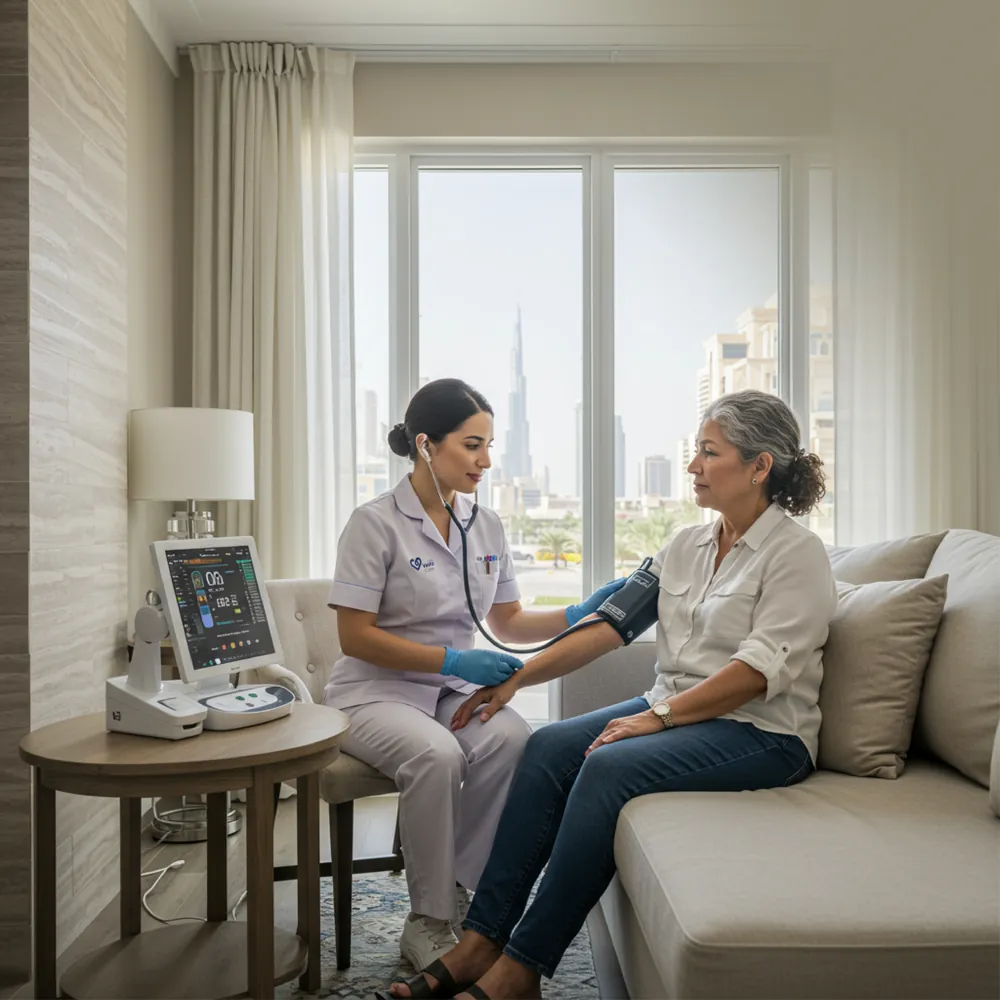

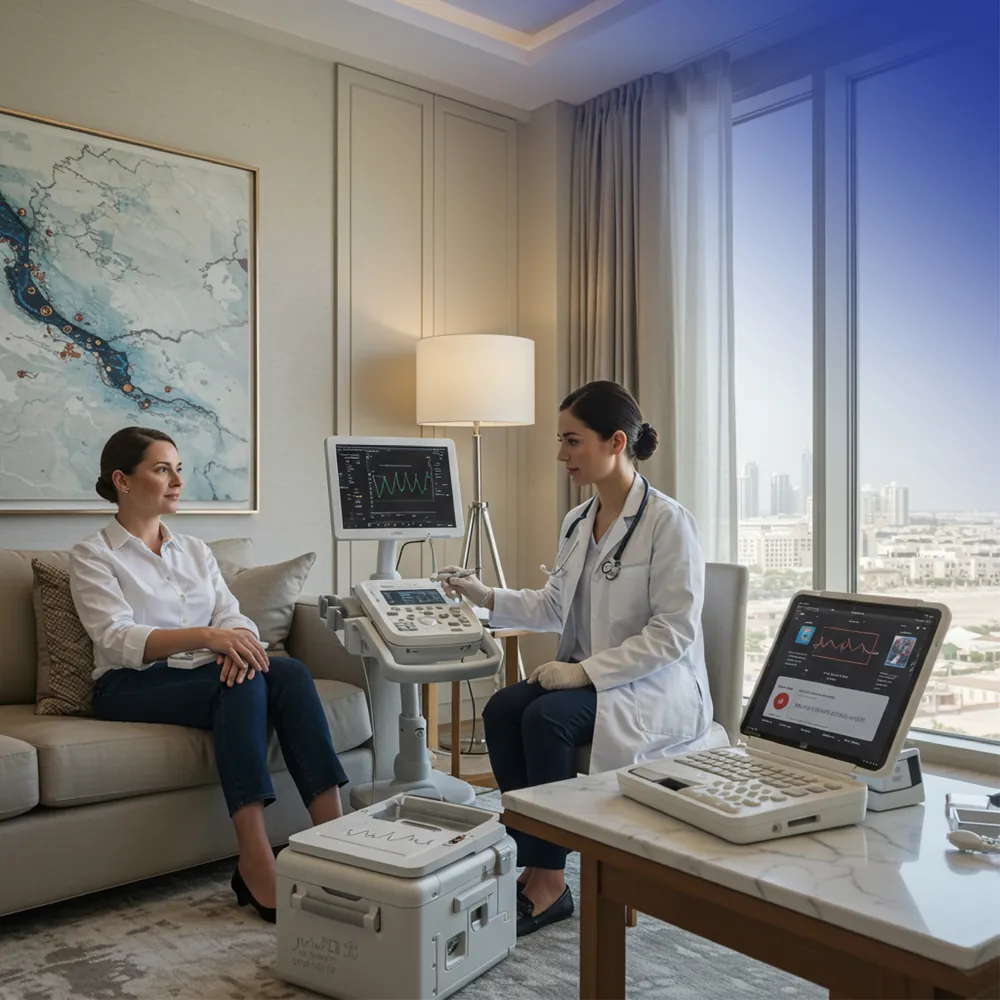
Care you can trust — from named, DHA-licensed clinicians
Written for Vesta Care patients in Dubai, using the laboratory's own panel definitions and reference ranges. Content is reviewed for clinical accuracy before publication and updated whenever the panel composition changes.
Independently reviewed for clinical accuracy: the biomarkers listed, what each one measures, the conditions it helps identify and the preparation advice were checked against current laboratory practice. Reviewing clinician is always different from the author, and no page is published without this second read.
This article has been reviewed for medical accuracy. It is intended for informational purposes only and does not substitute professional medical advice, diagnosis, or treatment.


