Skip to content
Glycated hemoglobin · at home in Dubai

HbA1c Blood Test at home in Dubai

Quick, Easy, Dependable Service in the Convenience of Your Own Home High-quality & affordable diagnostic solutions at your doorstep.
24–48 hoursResults
BloodSample
Free, in 45 minCollection
Free doctor callConsultation
100%accurateSwiftprocess24/7· 45 minNo fastingrequired
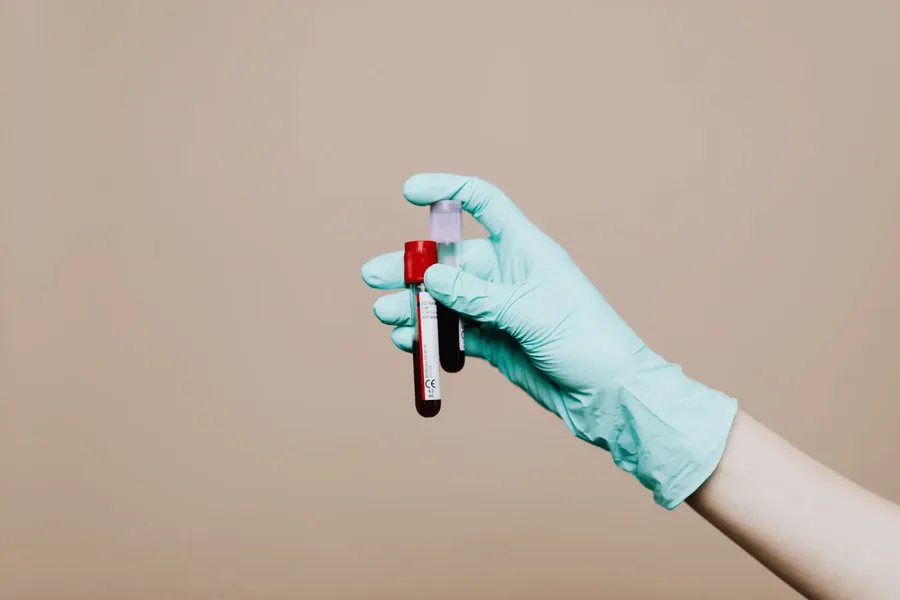
Gloved clinician's hand holding a capped collection tube of dark venous blood ready for HbA1c analysis
Prices Starting from 149 AED
Should you get an HbA1c blood test?

Diabetes or prediabetes — tap anything you’re experiencing:

Tap anything you are experiencing and we'll tell you whether an HbA1c blood test is a sensible starting point.
About this test

HbA1c Test at home with Vesta Care

HbA1c test is a common blood test for diabetic and prediabetic patients. If your glucose level has been high lately, get an HbA1c test to determine your average level.

The test is performed in labs equipped with the latest medical technology. You can get your HbA1c test from the comfort of your home. The process is managed by the highly trained medical staff of Vesta Care.

What is HbA1C?

HbA1c, also known as glycated hemoglobin, is the form of hemoglobin when glucose molecules are attached to it. Glucose is the type of sugar that is released from the food we eat. When your body is not able to utilize the glucose properly, it starts to build up in the blood.

Glucose is attached to everyone's hemoglobin. However, diabetic patients usually have higher levels of blood sugar. A higher HbA1c means that your chance of developing diabetic complications has increased. Knowing your HbA1c level can help you avoid any complications and lower it in time.

What is an HbA1c Test?

HbA1c test is a standard blood test that determines your average blood sugar level. It tests your glycated hemoglobin level, or the amount of glucose in your blood. It is one of the most common tests to diagnose diabetes or prediabetes. HbA1c blood test is especially important for diabetic patients as it provides an indication of how well your diabetes is being managed.

HbA1c test shows the average glucose level for the past 3 months. This is because the hemoglobin is attached to the red blood cell. The average life of a red blood cell is 3 months. This helps a diabetic patient to adjust their medicines accordingly.

What an HbA1c test helps detect

One blood draw, no fasting needed, shows:

  • Diabetes
  • Prediabetes
  • How well your diabetes is being managed
  • Your average glucose level for the past 3 months
  • Glycated hemoglobin — the glucose attached to your hemoglobin
  • A rising chance of developing diabetic complications
When to test

When to get an HbA1c Test?

Your doctor may recommend an HbA1c blood test to check if you are diabetic or prediabetic. You may also require the test if you have the following symptoms:

Thirst and hunger that never settle

Feeling thirsty all the time · Feeling hungry all the time

Passing urine more often

Urinating a lot

Losing weight

Weight loss

Infections and sores that linger

Frequent infections · Sores with slow healing

Nerve and vision changes

Numbness in the hands or feet · Blurred vision

Low energy and dry skin

Fatigue · Dry skin

If your test results indicate prediabetes, it’s better to consult your doctor. He may suggest lifestyle changes or a change in medication to improve your HbA1c level. If you test positive but don’t have any symptoms, your doctor may refer you to retake the test.You might also be looking for: HbA1c Test in Dubai
Reading your number

HbA1c results explained

HbA1c test can determine diabetes or prediabetes. The standard HbA1c levels are:

Each band below is a range rather than a single cut-off, and the American Diabetes Association advises confirming an abnormal result — ideally on a second sample — before a diagnosis is made. Read your own figure against the reference range printed on your report, and read it with your doctor:

Normal: Between 4% to 5.6%

A figure in this band means the glucose attached to your hemoglobin sits within the usual range for someone without diabetes. Because the reading reflects your average blood sugar over roughly the previous two to three months, a normal result speaks for that whole window rather than for the morning of the test.

Prediabetes: Between 5.7% to 6.4%

Blood sugar has been running above the usual range but has not reached the level used to diagnose diabetes. Prediabetes commonly causes no symptoms at all, which is why it is usually picked up on a blood test, and guidance is to repeat the test yearly so any drift is seen early.

Diabetes: Above 6.5%

A reading at this level or higher is the threshold used to diagnose diabetes. Your doctor will normally repeat the test, or read it alongside a fasting glucose result, before any diagnosis is confirmed and before a treatment plan is agreed with you.

Your HbA1c goal

The goal for diabetic patients should be below 7%. However, it varies from person to person. Your personal goal can depend on your age, lifestyle, and existing medical conditions. Consult your doctor to set your HbA1c range. You should set a lower HbA1c range to minimize the risks of complications if you are a younger adult. Older adults may set a higher goal due to other severe health conditions.

When the number runs high

Dangerous level of HbA1c

If the level of HbA1c goes above 9%, the risk of severe complications increases. These may include:

Nerve damage

Sustained high blood sugar can injure the small nerves, most often in the feet and hands, causing numbness, tingling or burning pain — diabetic neuropathy. Because reduced sensation means an injury can go unnoticed, regular foot checks are part of routine diabetes care.

Vision loss

Raised glucose damages the tiny blood vessels of the retina, a condition called diabetic retinopathy. It can progress for years before sight changes, so a dilated eye examination is recommended on a regular schedule for people living with diabetes.

Heart complications

Diabetes is a major risk factor for heart disease and for narrowing of the arteries that supply the heart. Blood pressure, cholesterol and HbA1c are usually managed together, because the risk comes from the combination rather than from glucose alone.

Kidney failure

The kidneys filter blood through millions of tiny vessels, and years of high glucose can damage them; diabetic kidney disease is one of the most common causes of kidney failure. Early damage is silent, so it is found by a urine protein test and a blood test of kidney function rather than by symptoms.

Stroke

High blood sugar contributes to the artery damage and clot formation that can interrupt the blood supply to part of the brain. People living with diabetes carry a higher stroke risk, which is why blood pressure and cholesterol are monitored alongside HbA1c.

Gastroparesis

When the nerve that controls the stomach is damaged, the stomach empties too slowly. That can cause nausea, bloating, feeling full early and unpredictable blood sugar after meals; it is confirmed by a specialist and managed with dietary changes and, in some cases, medication.

These complications build over years of readings that stay high — they are not the outcome of one result. Long-term trials in both type 1 and type 2 diabetes (the DCCT and UKPDS studies) found that better long-term glucose control reduced the rate of eye, kidney and nerve complications, which is why a reading above your target is a reason to review your plan with your doctor rather than a cause for alarm.
Monitoring over time

HbA1c and Diabetes

Diabetic patients normally have higher levels of HbA1c in their blood. It is vital that they monitor their blood sugar level frequently. A higher level of HbA1c can lead to other health complications. It is essential to ensure that the diabetes is being managed properly. The test results can also be used as a diagnostic tool to assess if a person is prediabetic.

HbA1c is a useful test that indicates the average blood glucose level. A diabetic patient must take the test every 3 months. A prediabetic patient should get it once a year. An average person may get the test every 3 years.

According to The American Diabetes Association (ADA), a person above 35 years of age should start screening for diabetes. A person who is overweight or has other diabetic risk factors should also get the test regardless of age.

How often to test

Typical HbA1c testing intervals:

  • Diagnosed diabetes — every 3 months
  • Prediabetes — once a year
  • No diabetes, no risk factors — every 3 years
  • ADA: screening starts at age 35
If you are diabetic

A diabetic patient must take the test every 3 months. That interval is close to the window the reading reflects, so testing at this rhythm shows whether a change to your medication, your diet or your activity has actually moved your average.

If you are prediabetic

A prediabetic patient should get it once a year. Prediabetes often causes no symptoms, so an annual reading is what shows whether your average is drifting upward, holding steady or coming back down.

If you have no diabetes diagnosis

An average person may get the test every 3 years. That is the routine screening rhythm for adults whose results come back normal and who carry no additional risk factors.

From age 35, and earlier with risk factors

According to The American Diabetes Association (ADA), a person above 35 years of age should start screening for diabetes. A person who is overweight or has other diabetic risk factors should also get the test regardless of age.

Bringing it down

How to lower your HbA1c levels?

It is vital that you maintain your HbA1c level at a normal range. An increase can lead to serious complications. Even a slight increase can lead to health risks. Knowing your HbA1c range is an important step in determining if you need to lower your HbA1c.

If your HbA1c changes, you can take different steps to lower your HbA1c to a normal range.

Review your medication

Your doctor may change your medication or adjust the dosage. Any change to a diabetes medicine belongs with your treating doctor, who weighs your readings, your kidney function and the rest of your prescription together rather than one HbA1c figure on its own.

Change how you eat

You should change your eating habits and diet. Dietary guidance for diabetes points consistently in one direction: fewer refined carbohydrates and sugary drinks, more whole grains, vegetables, pulses and unsaturated fats, with portions matched to your own needs.

Move more, regularly

Take part in healthy activities and exercise. Activity helps muscle take up glucose from the blood, and adult guidelines describe about 150 minutes of moderate activity a week, spread across most days, alongside some muscle-strengthening work.

Stop smoking

Quit smoking. Smoking worsens insulin resistance and adds to the same blood-vessel damage that high glucose causes, so stopping lowers cardiovascular risk for people living with diabetes; your doctor or pharmacist can arrange support.

What's included

What the HbA1c blood test reports

HbA1c reports one number: the share of your haemoglobin that has glucose attached to it, expressed as a percentage. Because a red blood cell lives about three months, that single figure describes your average blood sugar over that whole period rather than the morning of the test. The Diabetics Profile reports it alongside Fasting Blood Sugar / glucose, and the extended profile adds Insulin.

HbA1c (glycated haemoglobin)Reported as a percentageAverage glucose over about 3 monthsBlood sampleResults in 24 to 48 hoursHbA1c alone: no fasting requiredFasting Blood Sugar / glucose (Diabetics Profile)Insulin (added by the extended profile)
Add to your basket

Add your HbA1c test to the basket

The same HbA1c marker, three ways to order it: on its own, paired with fasting glucose in the Diabetics Profile, or with Insulin added for a broader view. A DHA-licensed nurse collects the sample at your home in Dubai.

HbA1c on its own
The single glycated-haemoglobin marker. No fasting required.
AED 40
Diabetics Profile
HbA1c plus Fasting Blood Sugar / glucose. 2 parameters, blood sample, results in 24 hours. Fasting 8 to 10 hours.
AED 149
Diabetics Profile and Insulin
The same two parameters with Insulin added. 3 parameters, for a more comprehensive view. Fasting 8 to 10 hours.
AED 239

Prices are the live storefront prices: AED 40 for HbA1c as an individual marker, AED 149 for the Diabetics Profile, AED 239 with Insulin. A one-off AED 100 home-collection fee applies per booking when the basket holds only individual markers; it is waived entirely as soon as a profile is in the basket. HbA1c is also reported inside 9 of our 50 lab products, among them the Advanced, Executive, Elite and Master Health Checkups.

Why this test matters

Why does my HbA1c matter?

A finger-prick reading tells you about this morning. HbA1c cannot be moved by one meal or one good week, which is why it is used both to identify prediabetes and to judge how well diabetes is being managed over time.

It sees three months, not one morning

Glucose attaches to the haemoglobin inside your red blood cells, and a red blood cell lives about three months. One HbA1c result therefore describes a whole season of your blood sugar rather than a single day.

It puts a number on prediabetes

The standard bands are 4% to 5.6% normal, 5.7% to 6.4% prediabetes and 6.5% or above diabetes. That makes HbA1c one of the most common tests used to diagnose diabetes or prediabetes.

It shows whether diabetes is being managed

Diabetic patients normally carry higher HbA1c, so monitoring it frequently shows whether the current plan is working, and lets your doctor adjust medication with evidence rather than guesswork.

A higher result carries more risk

A higher HbA1c means your chance of developing diabetic complications has increased. Knowing the number is what makes it possible to work with your doctor and lower it in time.

Quick Book

Ready when you are — your HbA1c test at home

Choose a date and time and a DHA Licensed Nurse comes to you anywhere in Dubai. Nothing to prepare for HbA1c on its own; fasting is only needed if you add fasting glucose.

Quick Book — a home visit in a few taps
Prefer to talk? 800 4 VESTA
Step 01 · Explore
Discover our full range of home healthcare services
See all services
Step 02 · Pick a date
Select a date for your booking with us
SunMonTueWedThuFriSat
Why Vesta Care

Why Choose Vesta Care?

For more than a decade, Vesta Care has brought DHA-licensed lab tests to your home across Dubai. A licensed nurse collects your sample where you are, your blood is processed at our accredited partner laboratory Intel Lab (ISO 15189, reporting since 2001, 1,900+ tests), and a Vesta Care physician talks you through the results — included free.

Talk to us today Call 800 4 VESTA — free, 24/7
Convenient Home Services

No clinic, no queue, no fasting-morning commute. A DHA-licensed nurse or phlebotomist comes to your home, hotel or office anywhere in Dubai and draws your sample in a few minutes — free collection, available 24/7/365, typically within 30 minutes.

Comprehensive Care

One blood draw covers it: over 1,900 individual tests and profiles, from a single marker to a full health checkup, all reported by our accredited partner laboratory. Need more than blood? Doctor on call, IV therapy and home nursing sit under the same DHA-licensed provider.

Experienced Professionals

Your sample is collected by DHA-licensed clinicians, processed at Intel Lab — an ISO 15189-accredited reference laboratory operating in Dubai since 2001 — and validated by a clinical pathologist before it reaches you. Records integrate with NABIDH for a connected medical history.

Flexible Scheduling

Book online in under a minute or call us. Hourly slots run from 6am to 11pm with a two-hour minimum lead, so you can choose an early fasting draw before work or an evening visit after it — and reschedule when life moves.

Patient-Centered Approach

Results are not a PDF you are left to decode. They arrive securely in your Smart Health portal, explained in plain language, and a Vesta Care physician goes through them with you one to one — free of charge — then advises whether anything needs a follow-up or a repeat test.

Book this test

Book Your HbA1c test at Home in Dubai

Vesta Care, with 10 years of experience in UAE, provides HbA1c tests at home. We provide free home collection in 45 minutes by our DHA Licensed Nurse. DHA Licensed Pathologists coordinate all the tests and their results in a professional way at certified labs.The HbA1c test results are delivered in the next 24 to 48 hours. Just Book A Test, and we will reach you in no time. Manage and keep track of your health in the comfort of your home.

Your HbA1c test in three steps

1
Book online or call
Pick a slot from 6am to 11pm or tap the next-available time. Two-hour minimum lead. Call 800 4 VESTA if you would rather book by phone.
Now
2
Free home collection
A DHA Licensed Nurse reaches you anywhere in Dubai and draws the sample in a few minutes, at no extra charge.
45 min
3
Results in 24 to 48 hours
Delivered securely to your Smart Health portal and email, coordinated by DHA Licensed Pathologists at certified labs.
24-48 h
Related tests

What else should I check alongside my HbA1c?
Browse all tests →
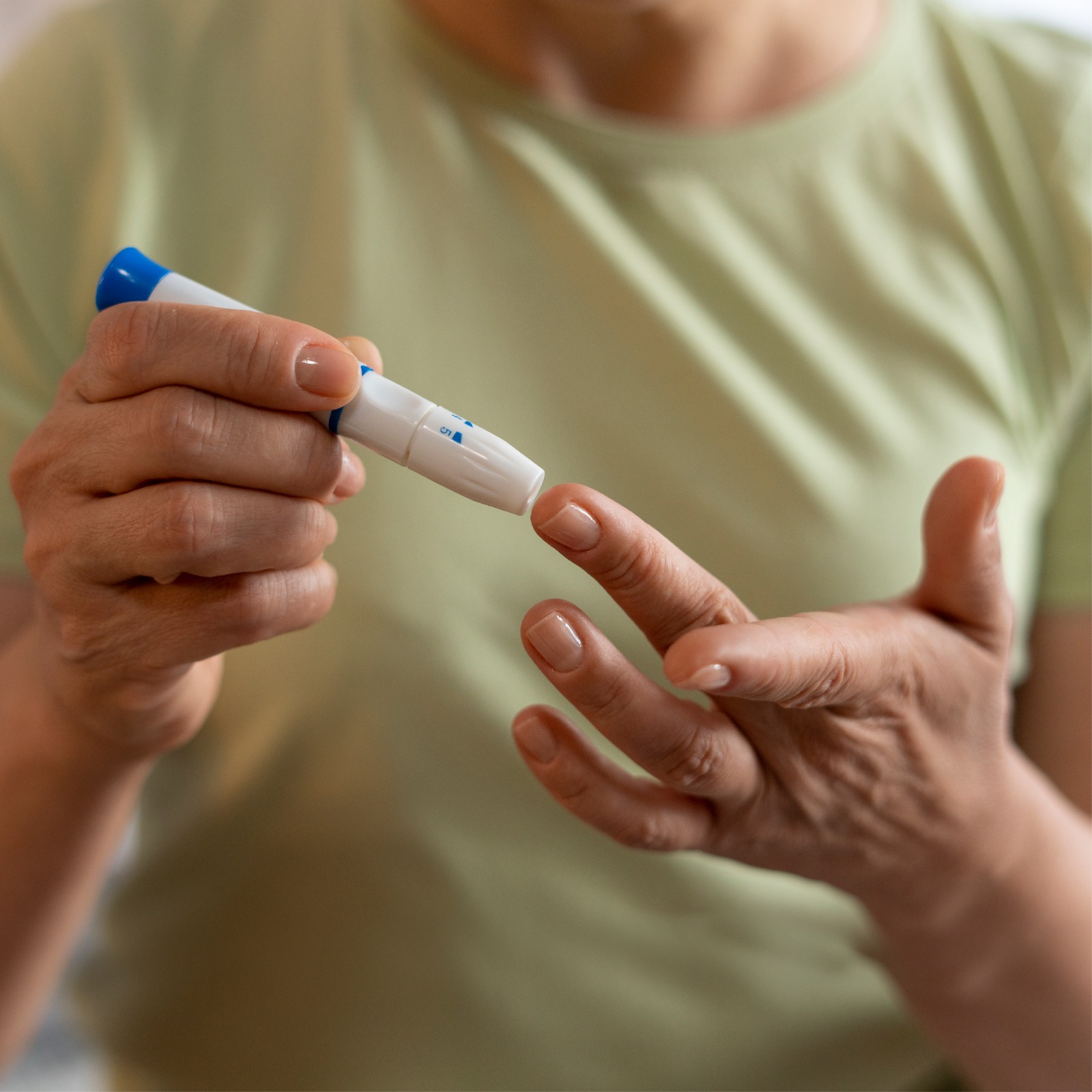
Person checking a fingertip blood glucose result
Popular 2 markers
Diabetics Profile
HbA1c paired with fasting glucose, the standard diabetes pairing.
Includes
HbA1cFasting glucoseBlood24 Hours
Learn more
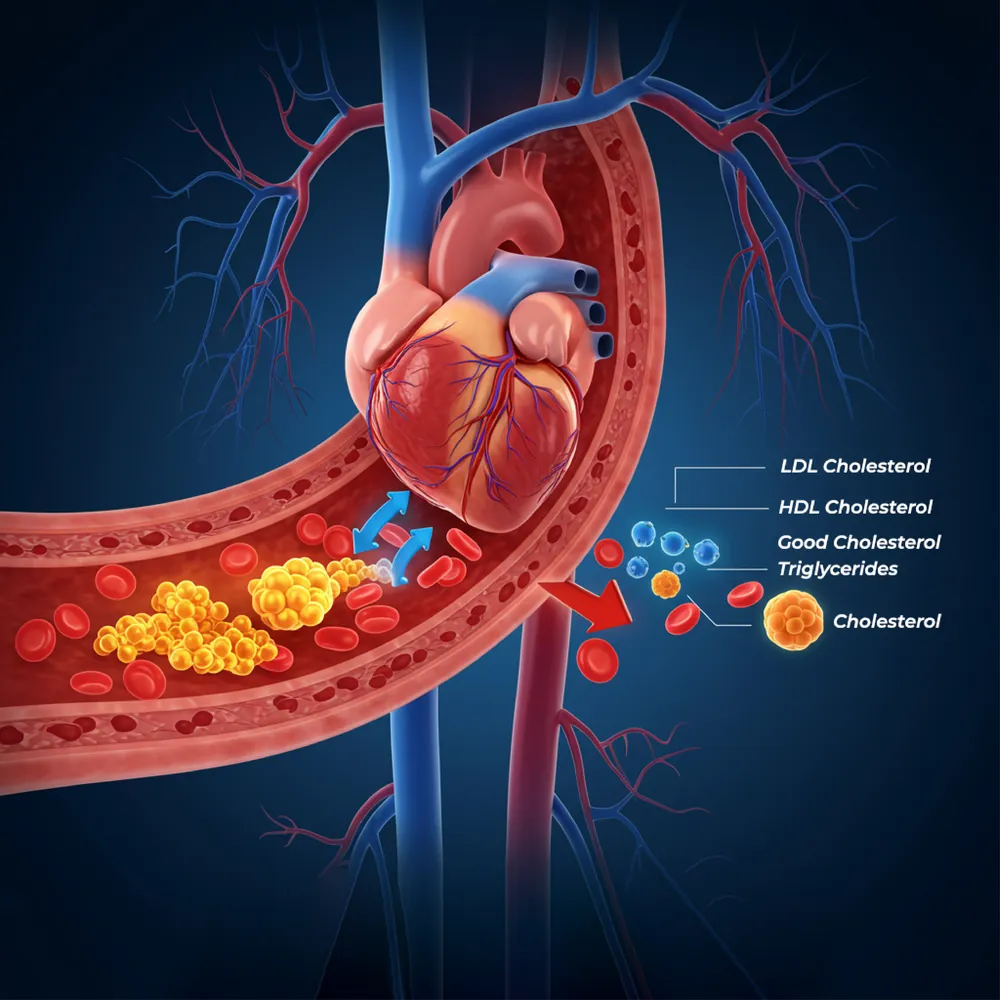
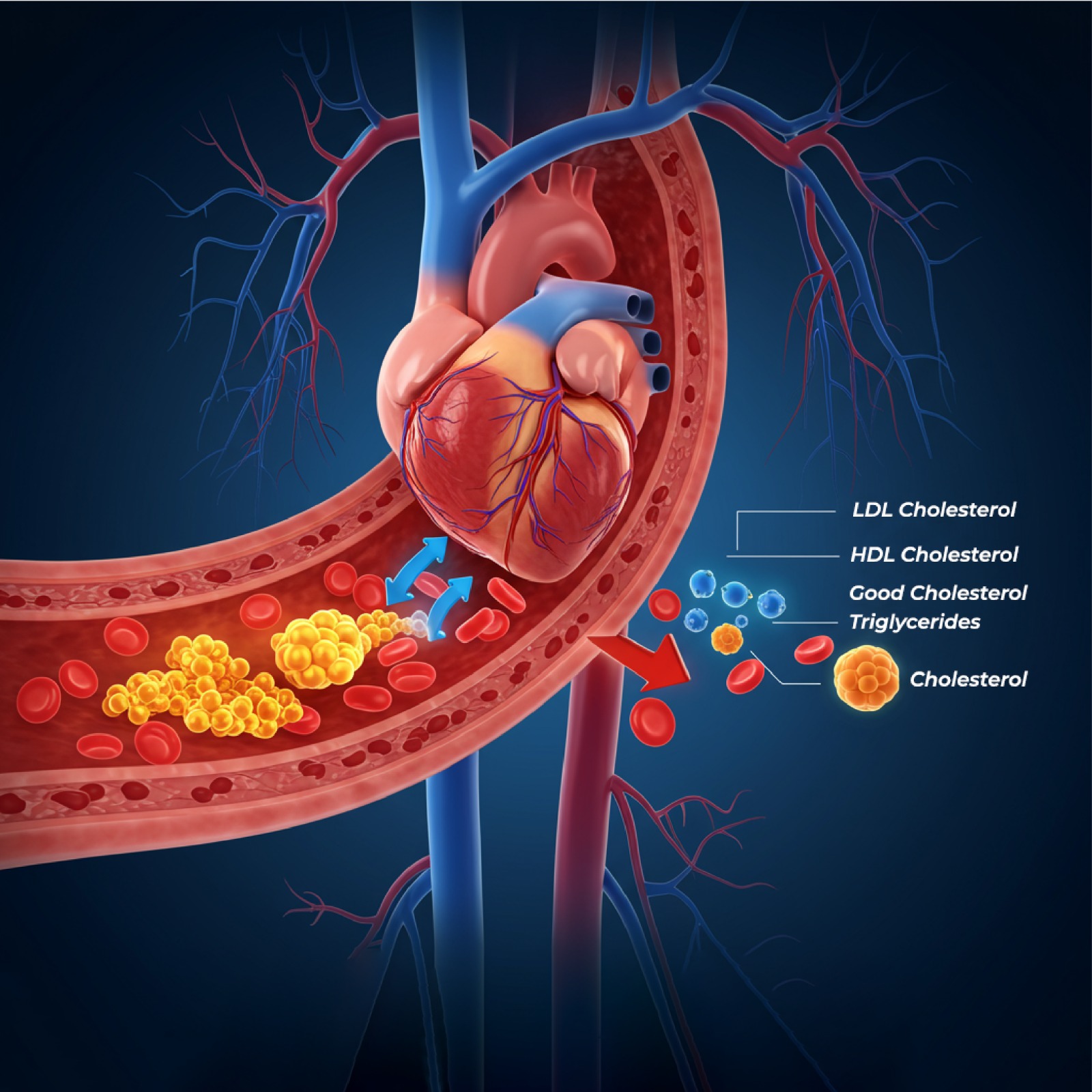
Illustration of cholesterol plaque narrowing an artery
8 markers
Lipid / Cholesterol Profile
Cholesterol, triglycerides and the ratios behind heart and stroke risk.
Includes
Total CholesterolHDLLDLTriglycerides
Learn more
Clinician holding an anatomical kidney model
6 markers
Kidney / Renal Profile
Creatinine, urea and eGFR, showing how well your kidneys are filtering.
Includes
Serum CreatinineBlood Urea NitrogenEGFRUric Acid
Learn more
Woman receiving a health assessment from two clinicians
76 markers
Advanced Health Checkup
A 76-parameter annual checkup that reports HbA1c among the rest.
Includes
HbA1cLipidsKidneyLiver
Learn more
Written & medically reviewed by our doctors

Care you can trust — from named, DHA-licensed clinicians

Written by
Dr. Amal Ahmed, Clinical Director and DHA-licensed GP at Vesta Care
Clinical Director · GP (DHA-licensed) · MD Pediatrics

DHA-licensed GP with an MD in Pediatrics and over a decade of experience across out-patient and in-patient care, leading Vesta Care's clinical team and quality standards.

Medically reviewed by
DHA Licence 47942149-002
Dr. Tasnim Osman Mohamad, DHA-licensed General Practitioner at Vesta Care
General Practitioner (DHA-licensed)

DHA-licensed GP with expertise in emergency medicine, intensive care and home-based care, bringing extensive experience from leading healthcare institutions across Sudan and the UAE.


Best Medical Laboratory in Dubai

Access to over 1,900 lab tests, anywhere in Dubai

We are proud partners of Intel Lab, one of the first accredited reference laboratories in Dubai since 2001. Our partner brings to your home access to over 1,900 laboratory tests, some being exclusive for the UAE market. Every sample is drawn at home with hospital‑grade accuracy and full clinical compliance.

Intel-Lab
In partnership with
Dubai’s reference lab — licensed since 2001
Same-day results
Delivered to your portal
EIAC ACCREDITEDREFERENCE LAB · SINCE 2001ISO 15189

Vesta Care: Best Homecare in Dubai

80+

Medical Staff

Most in-house tests in Dubai
77,000+

Patients Covered

Across the Intel-Lab network
15+ yrs

Years Experience

A quarter-century of trust
150,000+

Total Lab Reports

From booking to blood draw

Our one-stop solution for medical laboratory tests at home in Dubai integrates the clinical assessment, diagnosis, and treatment cycle anywhere in Dubai within minutes from your call.

Our focus is in on outstanding accuracy and clinical compliance coupled with fast availability and affordability.

Our Lab services
Find your test

A healthier life starts with Lab Tests insights

Search 1,900+ accredited tests or browse by category — from a single blood marker to a complete health package, drawn at home.

Clinical BiochemistryHaematologyMicrobiologySpecial ChemistrySerologyImmunologyTransfusion MedicineMolecular BiologyPoint of CareGenetic TestingClinical BiochemistryHaematologyMicrobiologySpecial ChemistrySerologyImmunologyTransfusion MedicineMolecular BiologyPoint of CareGenetic Testing
Ten accredited disciplines · one in‑house reference lab
Clinical Biochemistry
Metabolic & organ panels
Haematology
Blood counts & clotting
Microbiology
Cultures & sensitivities
Special Chemistry
Hormones & tumor markers
Serology
Antibody & infection screens
Immunology
Allergy & autoimmune
Transfusion Medicine
Blood typing & cross‑match
Molecular Biology
PCR & DNA assays
Point of Care
Rapid bedside results
Genetic Testing
Hereditary & NIPT
+ 1,870 more biomarkers — we run any accredited test on request →
Basic Health Checkup
Popular55 markers
Basic Health Checkup
Full-body screen across every key organ
Hover to see what’s included
Includes
CBCKidneyLiverLipidGlucoseUrine
View full profile
Diabetics Profile
Popular8 markers
Diabetics Profile
Blood-sugar & metabolic control
Hover to see what’s included
Includes
HbA1cFasting GlucoseLipid Profile
View full profile
Thyroid Function
Popular3 markers
Thyroid Function
Metabolism & energy regulation
Hover to see what’s included
Includes
TSHFree T3Free T4
View full profile
Vitamins Profile
Popular6 markers
Vitamins Profile
Deficiency & nutrition status
Hover to see what’s included
Includes
Vitamin DB12FolateMinerals
View full profile
Basic Wellness
31 markers
Basic Wellness
Your essential health baseline
Hover to see what’s included
Includes
CBCKidneyCholesterolLiverGlucose
View full profile
Lipid / Cholesterol Profile
6 markers
Lipid / Cholesterol Profile
Cardiovascular cholesterol panel
Hover to see what’s included
Includes
TotalLDLHDLTriglycerides
View full profile
Liver Profile
9 markers
Liver Profile
Liver function tests (LFT)
Hover to see what’s included
Includes
ALTASTBilirubinAlbuminGGT
View full profile
Kidney / Renal Profile
7 markers
Kidney / Renal Profile
Kidney & renal function
Hover to see what’s included
Includes
UreaCreatinineeGFRElectrolytes
View full profile
Iron Profile
4 markers
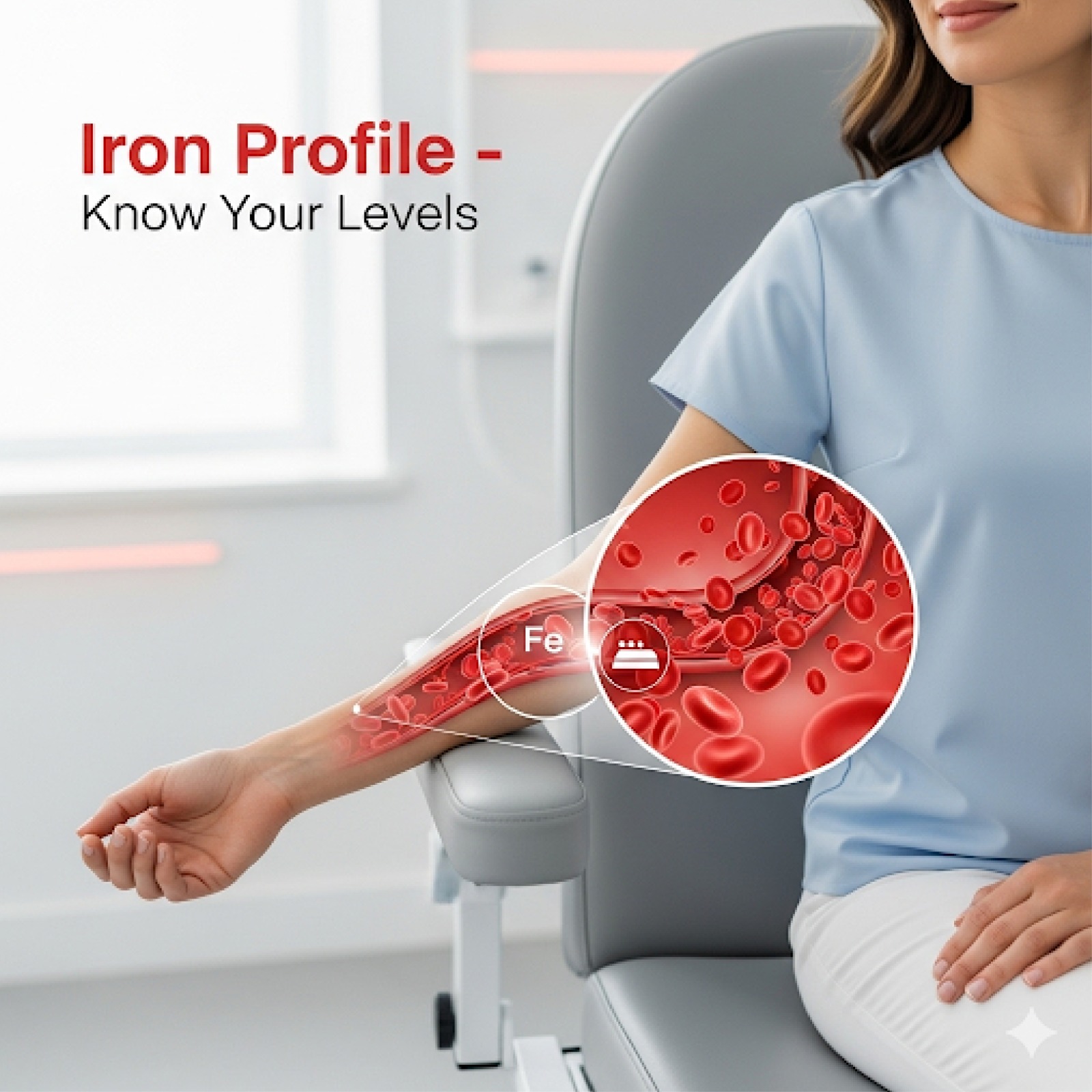
Iron Profile
Iron stores & metabolism
Hover to see what’s included
Includes
FerritinSerum IronTIBCTransferrin
View full profile
Anemia Profile
28 markers
Anemia Profile
Anemia & blood-cell health
Hover to see what’s included
Includes
CBCIronB12Folate
View full profile
Pregnancy Blood Test
1 test
Pregnancy Blood Test
Confirm & quantify pregnancy
Hover to see what’s included
Includes
Beta-hCG (quantitative)
View full profile
Explore all 90+ basic profiles
Browse the full menu on our lab‑at‑home service
Already have a prescription?

We execute any custom prescription from your doctor and are fully licensed to issue e‑prescriptions — with medication delivered to your home.

Send a prescription
Testimonials

What Our patients are saying

Real reviews from families across Dubai who trust Vesta Care with their health at home.

4.8
Based on 200+ reviews
Google

“The nurse arrived within 30 minutes and was incredibly professional. Blood test done at home, results in my portal the same day. Exceptional service.”

AR
Aisha Rahman
2 weeks ago

“Booked a doctor on call for my father at midnight. DHA-licensed, kind, and thorough. This is how healthcare should work in Dubai.”

MA
Mohammed Al Farsi
1 month ago

“Used their physiotherapy at home after surgery. The therapist was excellent and the booking was seamless. Highly recommend Vesta Care.”

PN
Priya Nair
3 weeks ago

“Mother & baby care package was a lifesaver. Compassionate nurses, available 24/7, and genuinely caring. Thank you Vesta Care!”

SK
Sara Khalil
2 months ago

“As a tourist I needed an urgent lab test. They came to my hotel within the hour. Smooth, accredited and affordable. Brilliant.”

JW
James Whitfield
1 week ago

“IV drip therapy at home was so convenient. The team handled the insurance approval for me end to end. Five stars.”

FH
Fatima Hassan
1 month ago

“Quick, clean, and professional. The whole family uses Vesta Care now for check-ups and lab work. Trustworthy and on time, every time.”

DC
Daniel Costa
5 days ago
FAQ

Frequently Asked Questions

Everything you need to know about home healthcare with Vesta Care. Can’t find your answer?

Still have questions?
Our DHA-licensed care team is available 24/7.
At Vesta Care, the HbA1c blood test starts from AED 149, with sample collection at your home in Dubai.
HbA1c measures your average blood sugar level over the past three months by checking the glucose attached to your hemoglobin.
Normal is 4 to 5.6%, prediabetes is 5.7 to 6.4%, and diabetes is 6.5% or above.
Diabetic patients should test every 3 months, prediabetic patients once a year, and others roughly every 3 years.
No, fasting is not required for an HbA1c test, so it can be done at any time of day.
Both are available. HbA1c can be booked as a single biomarker at AED 40, in which case a one-off home-collection fee of AED 100 applies to the booking. The Diabetics Profile at AED 149 pairs HbA1c with a fasting blood sugar and, like any package, carries no collection fee.
The Diabetics Profile (AED 149) covers two parameters, HbA1c and fasting blood sugar. The Diabetics Profile and Insulin (AED 239) adds an insulin measurement to those same two, which some people opt into for a more comprehensive view of how their body is handling glucose.
For that profile, yes. The HbA1c itself needs no fasting, but the fasting blood sugar included in the Diabetics Profile requires an 8 to 10 hour fast with nothing but water. An early-morning home visit is the easiest way to do it, because most of the fast happens while you sleep.
Vesta Care provides free home collection in 45 minutes by our DHA Licensed Nurse. The HbA1c test results are delivered in the next 24 to 48 hours, and DHA Licensed Pathologists coordinate all the tests and their results in a professional way at certified labs.
If the level of HbA1c goes above 9%, the risk of severe complications increases. These may include nerve damage, vision loss, heart complications, kidney failure, stroke and gastroparesis. The goal for diabetic patients should be below 7%, but it varies from person to person, so consult your doctor to set your HbA1c range.
There are four steps. Your doctor may change your medication or adjust the dosage. You should change your eating habits and diet. Take part in healthy activities and exercise. And quit smoking.
According to The American Diabetes Association (ADA), a person above 35 years of age should start screening for diabetes. A person who is overweight or has other diabetic risk factors should also get the test regardless of age.