HbA1c Test at Home in Dubai
Quick, Easy, Dependable Service in the Convenience of Your Own Home. High-quality & affordable diagnostic solutions at your doorstep. You can book your HbA1c Test out of over 1900 Tests available from our Lab at Home Service.
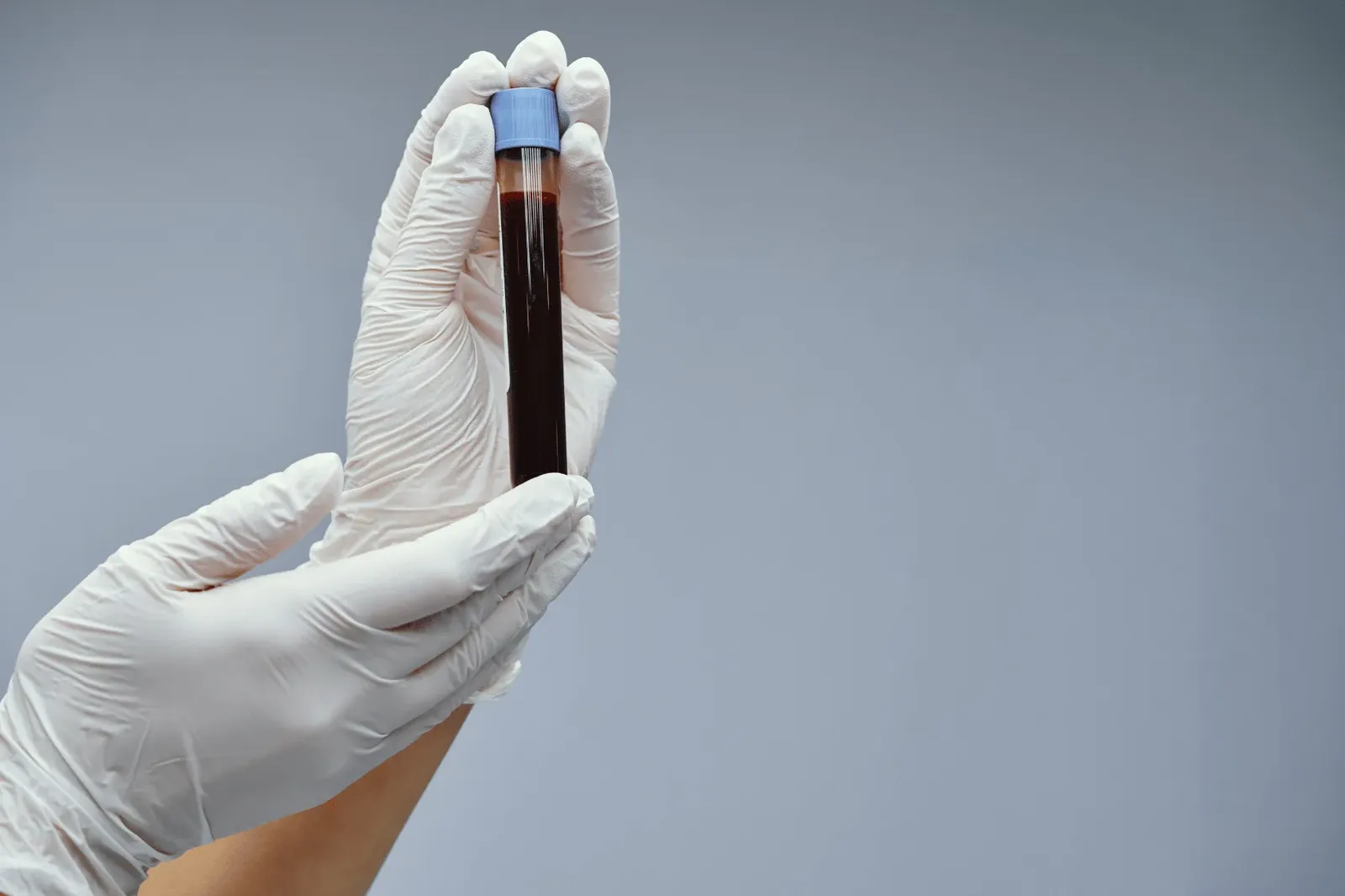
What is HbA1c?
HbA1c, also referred to as glycated hemoglobin, results from the attachment of glucose molecules to hemoglobin. Glucose, derived from the food we consume, circulates in the blood. In cases where the body struggles to use glucose effectively, it accumulates in the bloodstream. While glucose attaches to everyone’s hemoglobin, diabetic individuals often experience elevated blood sugar levels.
An increased HbA1c indicates a higher risk of diabetic complications. Monitoring your HbA1c levels is crucial to prevent complications and take timely corrective measures.
Because the attachment builds up slowly and is not undone, the number is a record rather than a snapshot: it is reported both as a percentage (the DCCT/NGSP scale most people recognise) and in mmol/mol (the IFCC scale printed alongside it). The two are the same result in different units — 6.5% is 48 mmol/mol.
What is an HbA1c Test?
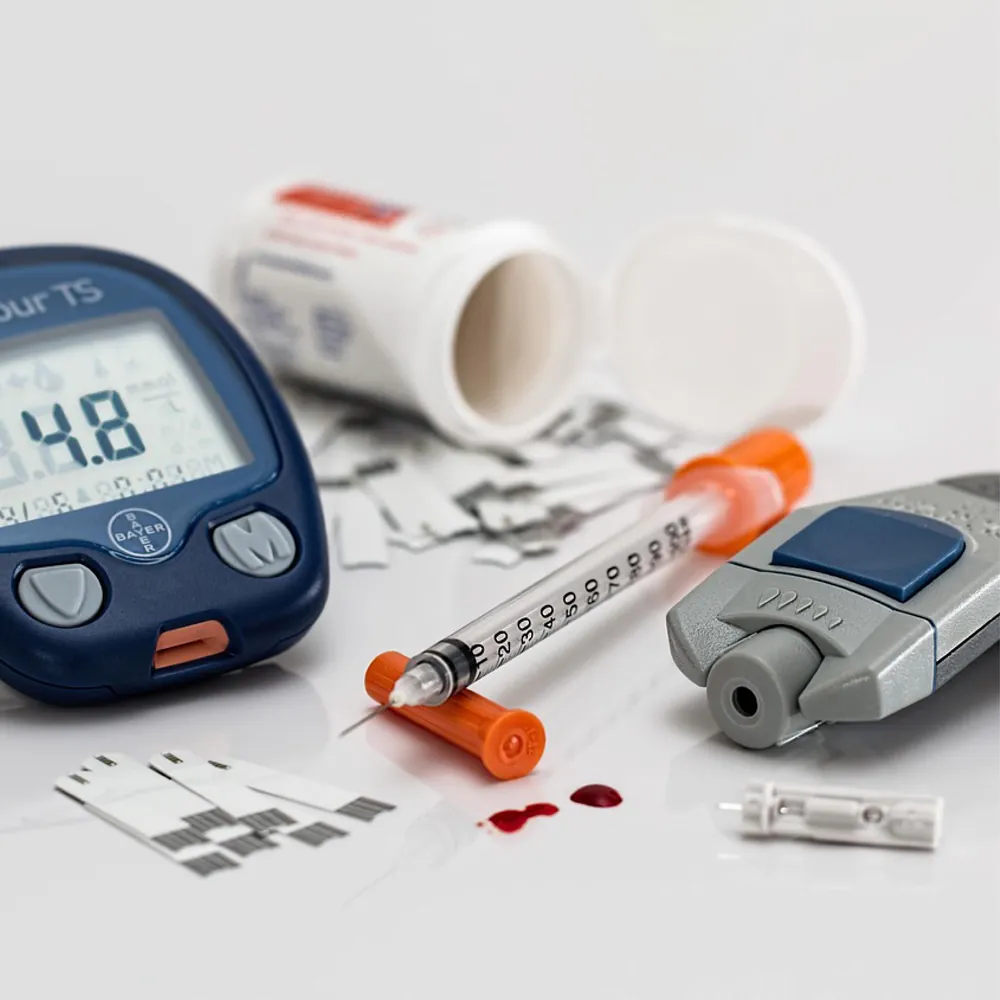
The HbA1c test, a routine blood examination, assesses your average blood sugar level by measuring glycated hemoglobin. It is a pivotal diagnostic tool for diabetes or prediabetes. Particularly vital for diabetic patients, the test offers insights into diabetes management effectiveness.
The HbA1c test reflects the average glucose level over the past three months, aligning with the lifespan of red blood cells. This extended timeframe enables diabetic patients to adjust their medications based on comprehensive insights.
That is also why it needs no preparation. Unlike a fasting blood sugar or an oral glucose tolerance test, an HbA1c requires no fasting and no particular time of day — you can eat normally and give the sample whenever the home visit suits you. It is the single most practical advantage the test has over the alternatives.
What an HbA1c test helps detect
One blood draw, no fasting, screens for:
- Diabetes — an HbA1c of 6.5% (48 mmol/mol) or above
- Prediabetes — an HbA1c of 5.7% to 6.4% (39–46 mmol/mol)
- Your average blood sugar over the past two to three months
- How well existing diabetes treatment is working
- A rising risk of diabetic complications, before you feel anything
Timing for an HbA1c Test?
Consider an HbA1c blood test if you suspect diabetes or prediabetes, particularly with symptoms like unquenchable thirst, persistent hunger, excessive urination, unexpected weight loss, recurrent infections, numbness in extremities, chronic fatigue, blurred vision, dry skin, or slow-healing sores.
A positive result might signal prediabetes, urging a consultation with your doctor. They may recommend lifestyle adjustments or medication tweaks for optimal HbA1c levels. Even without symptoms, a positive outcome may warrant a retest as advised by your doctor.
Symptoms are only half of it. Type 2 diabetes and prediabetes are frequently silent for years, so testing is also driven by risk rather than by how you feel — these are the factors that most often prompt a first HbA1c.
Understanding HbA1c Results
The HbA1c test is pivotal in diagnosing diabetes or prediabetes, with standard levels providing crucial insights:
Two things are worth knowing before you read your own number. First, HbA1c is reported on two scales — a percentage (DCCT/NGSP) and mmol/mol (IFCC) — and both describe the same result. Second, a diagnosis of diabetes is not normally made on one reading: unless you have clear symptoms, a raised HbA1c is confirmed on a repeat sample before any conclusion is drawn. Your result is always interpreted alongside your symptoms, your medication and the rest of your picture, which is why a physician review is included free with every Vesta Care lab booking.
What can make an HbA1c result unreliable?
HbA1c measures how much glucose has attached to your haemoglobin over the lifespan of a red blood cell — roughly eight to twelve weeks. Anything that shortens, lengthens or changes that lifespan moves the number without your blood sugar having moved at all. None of these make the test pointless; they make it a result that has to be read in context, or occasionally replaced with a different test. Tell the nurse at the visit if any apply to you.
This section is added to the page as general medical information reviewed by our clinicians. It is not a reason to skip the test — it is a reason to tell us, so your result is read correctly. Every Vesta Care lab booking includes a free physician review, and that is the right moment to mention any of the above.
What the HbA1c test reports — and what comes with it
HbA1c itself is a single measurement, reported on two scales, and you can order it on its own. The cheapest package in our catalogue that contains it, the Diabetics Profile, pairs it with a fasting blood sugar so you see both the three-month average and the reading on the day.
Why is an HbA1c test essential for me?
The HbA1c test gauges your average blood sugar levels over time, providing crucial insights for effective diabetes control. An increased HbA1c indicates a higher risk of diabetic complications, and monitoring your HbA1c levels is crucial to prevent complications and take timely corrective measures.
Book your HbA1c Test at Home with Vesta Care!
Secure your well-being by booking the HbA1c test today. Our Lab At Home service ensures a seamless experience, where our team collects samples at your doorstep.

Popular tests booked alongside an HbA1c test


Care you can trust — from named, DHA-licensed clinicians

DHA-licensed GP with an MD in Pediatrics and over a decade of experience across out-patient and in-patient care, leading Vesta Care's clinical team and quality standards.

DHA-licensed GP with expertise in emergency medicine, intensive care and home-based care, bringing extensive experience from leading healthcare institutions across Sudan and the UAE.