Standard Electrolyte Test at home in Dubai
An electrolyte test measures the level of main electrolytes in the body. An electrolyte test is performed to evaluate the electrolyte imbalance in the body. A normal electrolyte balance is necessary to maintain the body’s normal physiologic functions, homeostasis, healthy muscle activity, and blood pH level as well.
If you want your electrolyte test to be done by expert medical professionals at home, then Vesta Care is the best choice. Having an expert team arrive at your doorstep and get your results ready within 24 to 48 hours.

What is the Electrolyte Test?
An electrolyte test is usually a routine blood screening and may be used to find the electrolyte imbalance or any variation in acid-base levels. An imbalance in these electrolytes sometimes results in serious health problems such as heart and kidney problems.
In electrolyte tests, these electrolytes level is usually measured together. But sometimes tested individually if a person suspects a specific problem related to a specific electrolyte.
In practice this panel is ordered at two depths. The core three — sodium, potassium and chloride — are the electrolytes measured in almost every standard request, because between them they describe fluid balance, nerve and muscle conduction, and the rhythm of the heartbeat. The comprehensive four- or five-parameter version adds bicarbonate, and commonly calcium, magnesium and phosphate, so that acid–base status and bone and neuromuscular chemistry can be read alongside them. Neither depth is inherently better than the other: the core three answer the common question of whether salt and water balance is disturbed, while the wider panel is chosen when acid–base disturbance, kidney disease, or a medicine such as a diuretic makes the additional markers clinically relevant. Which depth is appropriate is a decision for the requesting doctor.
Our one-stop solution for medical laboratory tests at home in Dubai integrates the clinical assessment, diagnosis, and treatment cycle anywhere in Dubai within minutes from your call.
Our focus is in on outstanding accuracy and clinical compliance coupled with fast availability and affordability.
Our Lab services
What a standard electrolyte test helps detect
One blood sample, drawn at home, is used to look for:
- Electrolyte imbalance — whether the main electrolytes in blood and body fluid sit outside their normal range
- Any variation in acid–base levels, which the same sample reports alongside the electrolytes
- Hypertension — raised blood pressure, investigated as part of a wider assessment
- Arrhythmia — an irregular heartbeat, which the live page links to electrolyte disturbance
- Kidney disease, one of the serious health problems an imbalance can point to
- Liver disease, assessed together with the other findings
- Routine health screening, when no specific problem is suspected
- Fluid balance and blood volume — the body’s water equilibrium, muscle and nerve activity and heart rhythm
Role of these electrolytes in the body
The main electrolytes that are usually tested by serum electrolyte test are sodium, chloride, calcium, magnesium, bicarbonate, potassium, and phosphate. Each of these electrolytes plays a vital role in the body and their key role are listed below:
Reference ranges differ slightly between laboratories — read every value against the range printed on your own report, and discuss any result outside it with your doctor.
Why is the Electrolyte Test necessary?
An electrolyte test is a blood test that normally measures the level of electrolytes in your blood and body fluid. You may need a serum electrolyte test for a routine check or your doctor may suggest you get an electrolyte test for a specific purpose. From a routine health checkup to accessing or identifying different problems a serum electrolyte test is important in diagnosing various health issues such as hypertension, arrhythmia, and kidney and liver disease.
If you experience any symptoms like swelling, edema, nausea, weakness, dizziness, confusion, cramps, or irregular heartbeat beat then it indicates the electrolyte imbalance in the body which sometimes causes serious illness if not treated properly. So, having an electrolyte test might help diagnose the underlying problem.
None of these confirms an electrolyte imbalance on its own. Every one of them has other, more common explanations, and several appear together in perfectly ordinary illness. What the panel adds is a number: your result is validated by the laboratory and then read by a clinician alongside your history and any medicines you take, and a single out-of-range figure is repeated and confirmed before anything is concluded from it.
Why does this test matter to me?
Set the chemistry aside for a moment. There are five ordinary situations in which an electrolyte result actually changes what somebody does next — a figure recorded while you are well, a set of symptoms that could be several things at once, a medicine that quietly moves sodium or potassium, a stretch of heat or illness that takes fluid out faster than it goes back in, and a condition that is already being followed.
Understanding your electrolyte numbers
Reference ranges differ from one laboratory to another, so an out-of-range value is interpreted by a clinician alongside your symptoms, your medicines and the rest of your results — never read on its own.
Ready when you are — your electrolyte test at home
Pick a date below or start your booking in a few taps. No fasting is needed for a standard electrolyte panel — if anything you add to the basket does need preparation, our team tells you before the visit.

How is the Electrolyte Test performed?
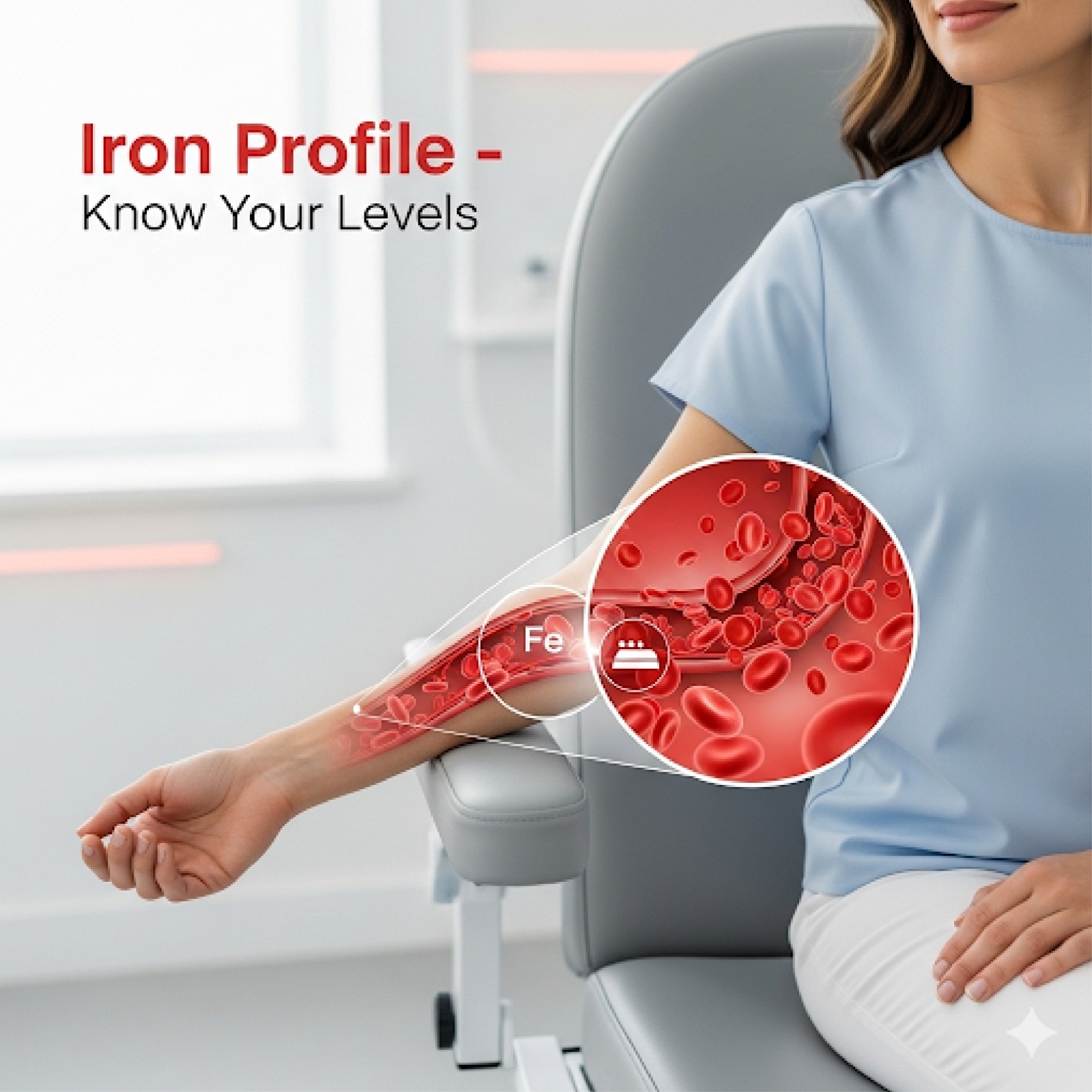
An electrolyte test is performed on blood under the supervision of medical professionals and is the initial step in diagnosing any kind of illness. There is no risk involved in performing an electrolyte test it is simply done by a health care professional who pulls blood from a vein in your arm, using a small needle (mostly butterfly needle used). After pricking the needle, a small amount of blood is drawn and collected into a test tube or vial. You may feel a small sting when the needle is inside out.
The whole procedure will take less than five minutes. After that, the blood sample is analyzed in a laboratory using advanced equipment and you will get the result within 24 to 48 hours.
Why the draw technique matters more for electrolytes than for most panels
Electrolyte results are unusually sensitive to how the sample is taken. Repeatedly clenching the fist, or leaving the tourniquet on for a long time, can raise the measured potassium above your true level, and a sample whose red cells are damaged on the way to the bench (haemolysis) releases potassium into the serum in the same way. That is why the draw uses a fine needle, a short tourniquet time and a controlled transfer straight into the tube — and why an accredited laboratory will occasionally ask for a fresh sample rather than release a figure it cannot stand behind.
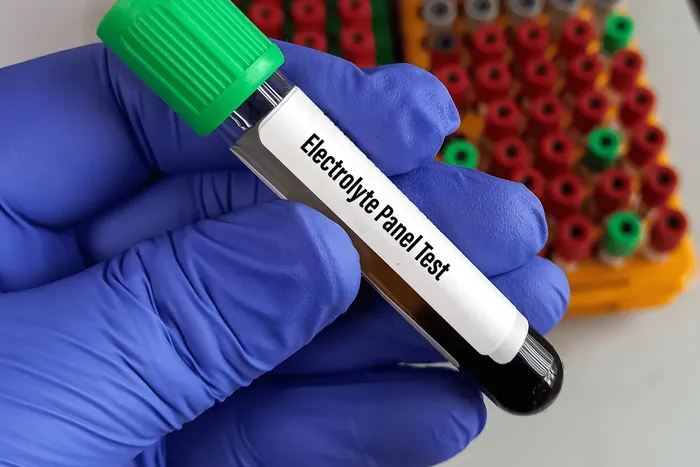
Booked at home alongside an electrolyte test



Care you can trust — from named, DHA-licensed clinicians

DHA-licensed GP with an MD in Pediatrics and over a decade of experience across out-patient and in-patient care, leading Vesta Care's clinical team and quality standards.

DHA-licensed GP with expertise in emergency medicine, intensive care and home-based care, bringing extensive experience from leading healthcare institutions across Sudan and the UAE.