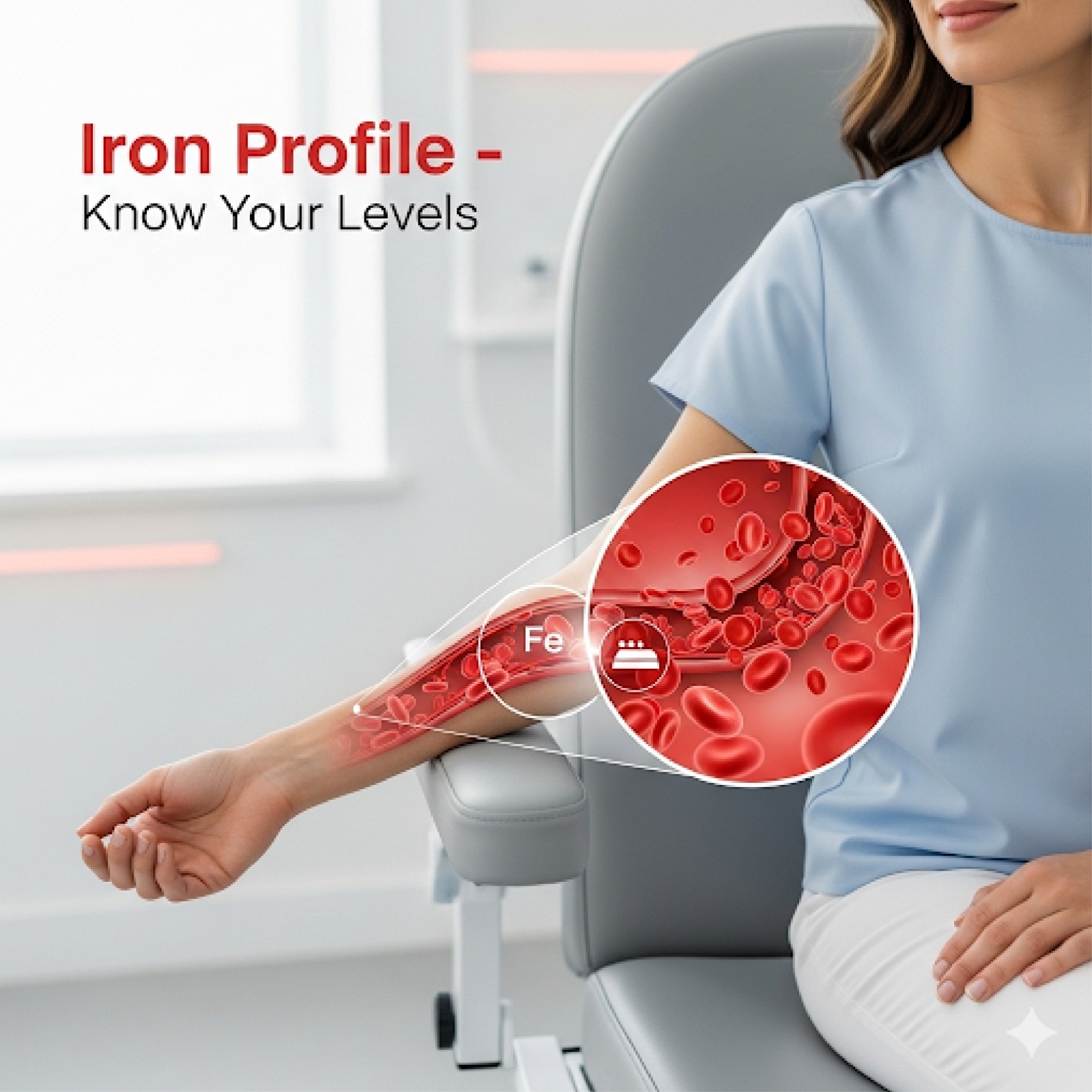
Lipid/Cholesterol Profile Test at home in Dubai
Quick, Easy, Dependable Service in the Convenience of Your Own Home High-quality & affordable diagnostic solutions at your doorstep.

What Is a Lipid Profile test?
Covering your needs at your preferred location or through the phone around the clock!
The fatty materials our bodies store as a source of energy are called lipids. Lipid Profile test is a type of blood test that quantifies the concentration of certain fat molecules in your blood, known as lipids. The panel typically includes a test of your triglycerides and four distinct cholesterol levels.
An accumulation of lipids (triglycerides and cholesterol) in the blood can damage your arteries and blood vessels and raise your risk of cardiovascular issues. Lipid panels are therefore used by medical professionals to assess the risk of cardiovascular disorders such as heart disease, myocardial infarction, and stroke in both adults and children. This lipid level is monitored and such circumstances are avoided by lipid profile testing.
Other common names for a lipid profile include:
- Lipid profile.
- Lipid test.
- Cholesterol panel.
- Coronary risk panel.
- Fasting lipid panel or non-fasting lipid panel.
Home Service Blood Test
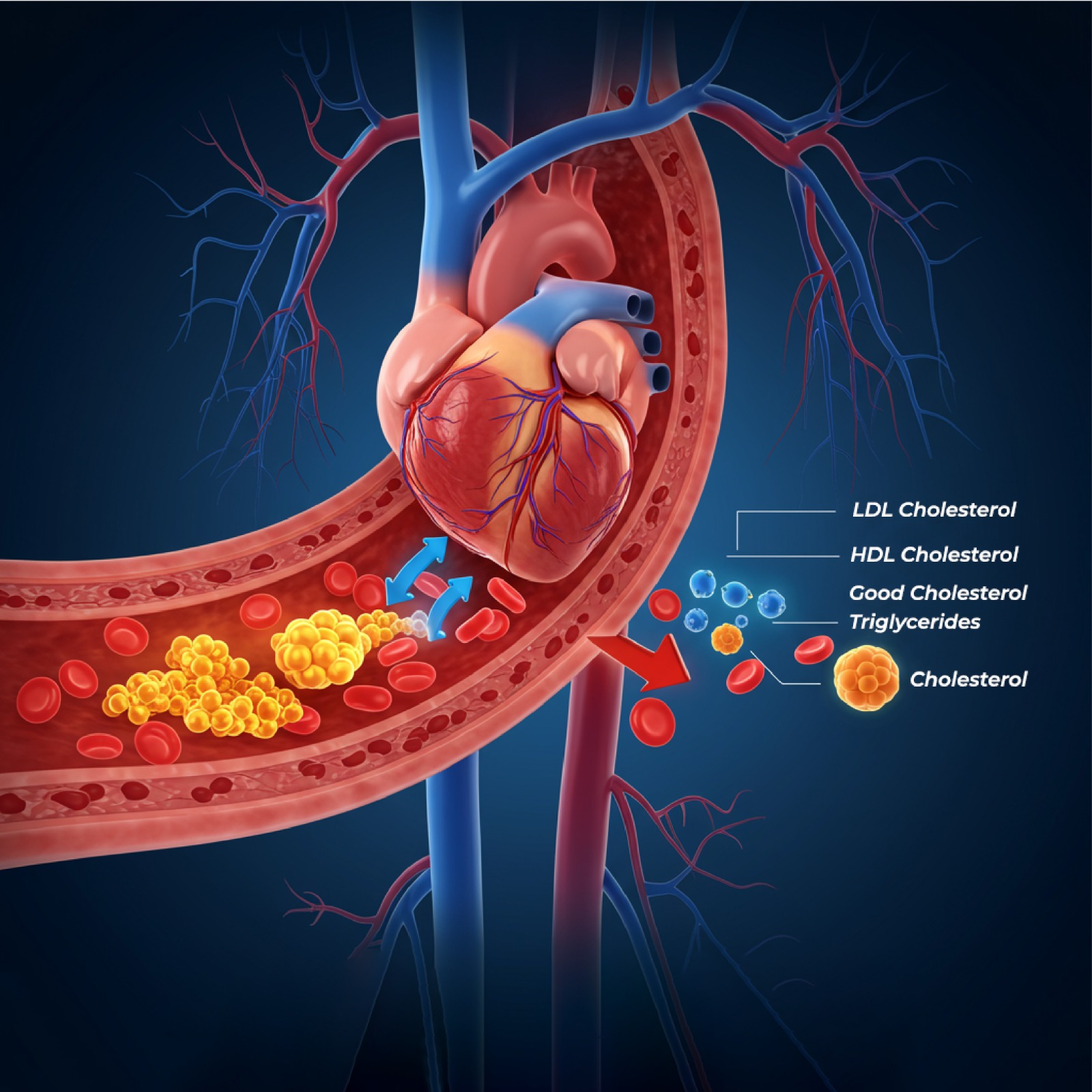
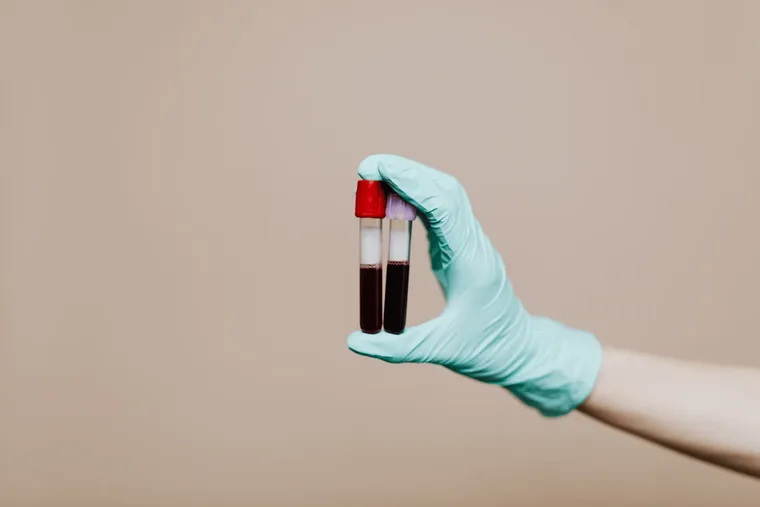
A lipid profile blood test begins with a small venous blood sample, drawn from your arm and analysed by an accredited laboratory. What the laboratory measures is not loose fat drifting in your blood: lipids do not dissolve in water, so cholesterol and triglycerides travel through the bloodstream packaged inside protein-coated carriers called lipoproteins. That is why a lipid profile reports separate lipoprotein fractions rather than one single cholesterol number — each carrier behaves differently by the time it reaches your artery wall.
Cholesterol itself is essential. Your body uses it to build cell membranes, to make steroid hormones and to produce the bile acids that digest fat, and your liver manufactures it whether or not you eat it. The question a lipid panel answers is therefore not whether cholesterol is present, but how it is being distributed: low-density lipoprotein carries cholesterol out to the tissues and can leave it in the artery wall, where it accumulates over years as plaque, while high-density lipoprotein collects surplus cholesterol and returns it to the liver for disposal. Those two opposite jobs are the reason one is commonly described as “bad” cholesterol and the other as “good”.
On a routine panel, LDL cholesterol is usually not measured directly — it is calculated from the other results. The classic Friedewald calculation subtracts HDL cholesterol and an estimate of VLDL cholesterol from total cholesterol, and that VLDL estimate is derived from your triglycerides: divided by five when results are reported in mg/dL, or divided by 2.2 when they are reported in mmol/L. Because triglycerides climb sharply after a meal, a recent meal inflates that estimate and distorts the calculated LDL value. This is why the sample is normally taken after a period of fasting, and why every lipid result should be read in the units the report was issued in.
A lipid profile tells you how much of each lipid fraction is circulating in your blood at the moment the sample is taken. It cannot show where a deposit has formed, or how narrow a particular artery has become. That is why the numbers are interpreted alongside your age, blood pressure, smoking status, weight, blood sugar and family history: the panel is a risk-assessment instrument that tells your doctor how urgently those numbers need to change, and it is not a picture of your arteries.
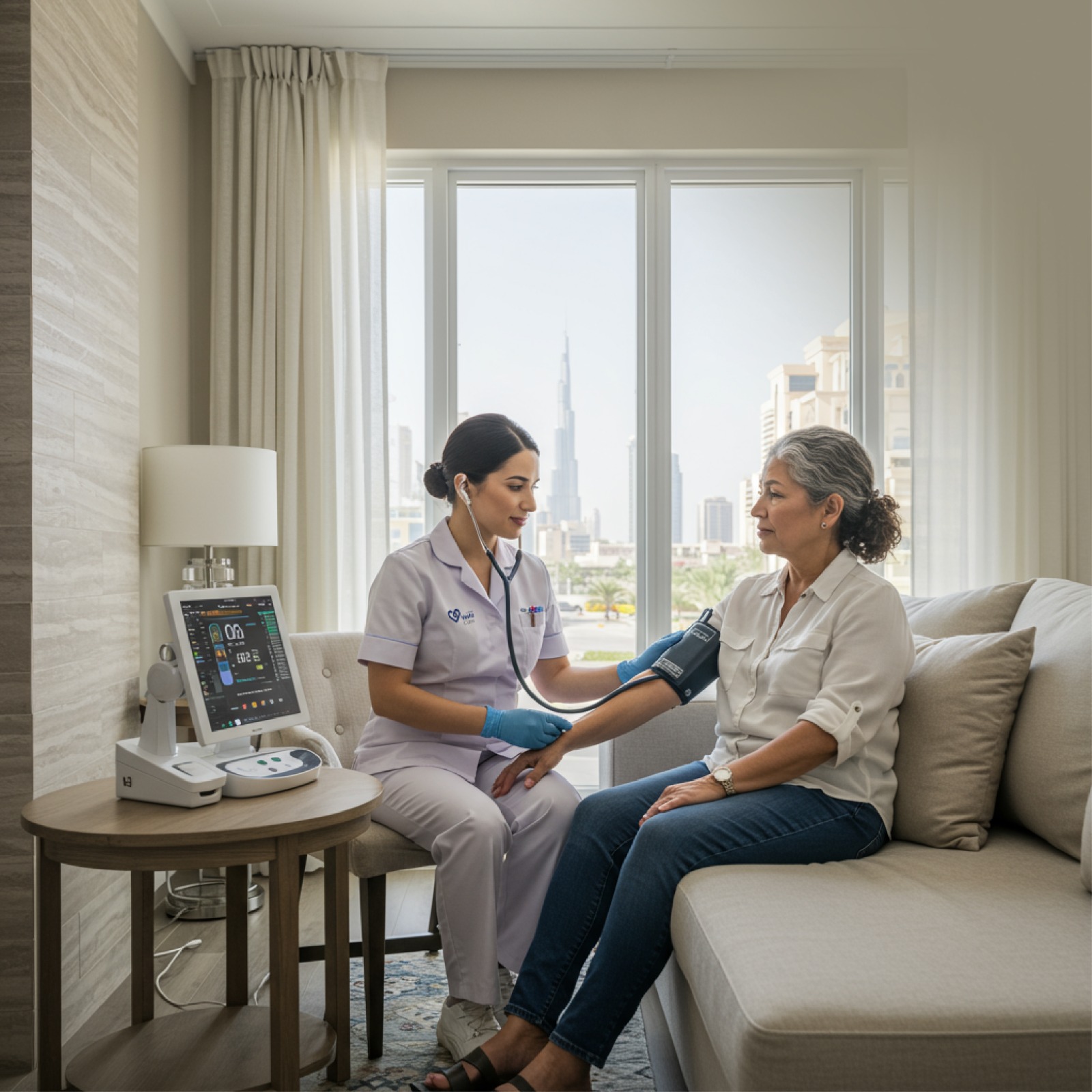
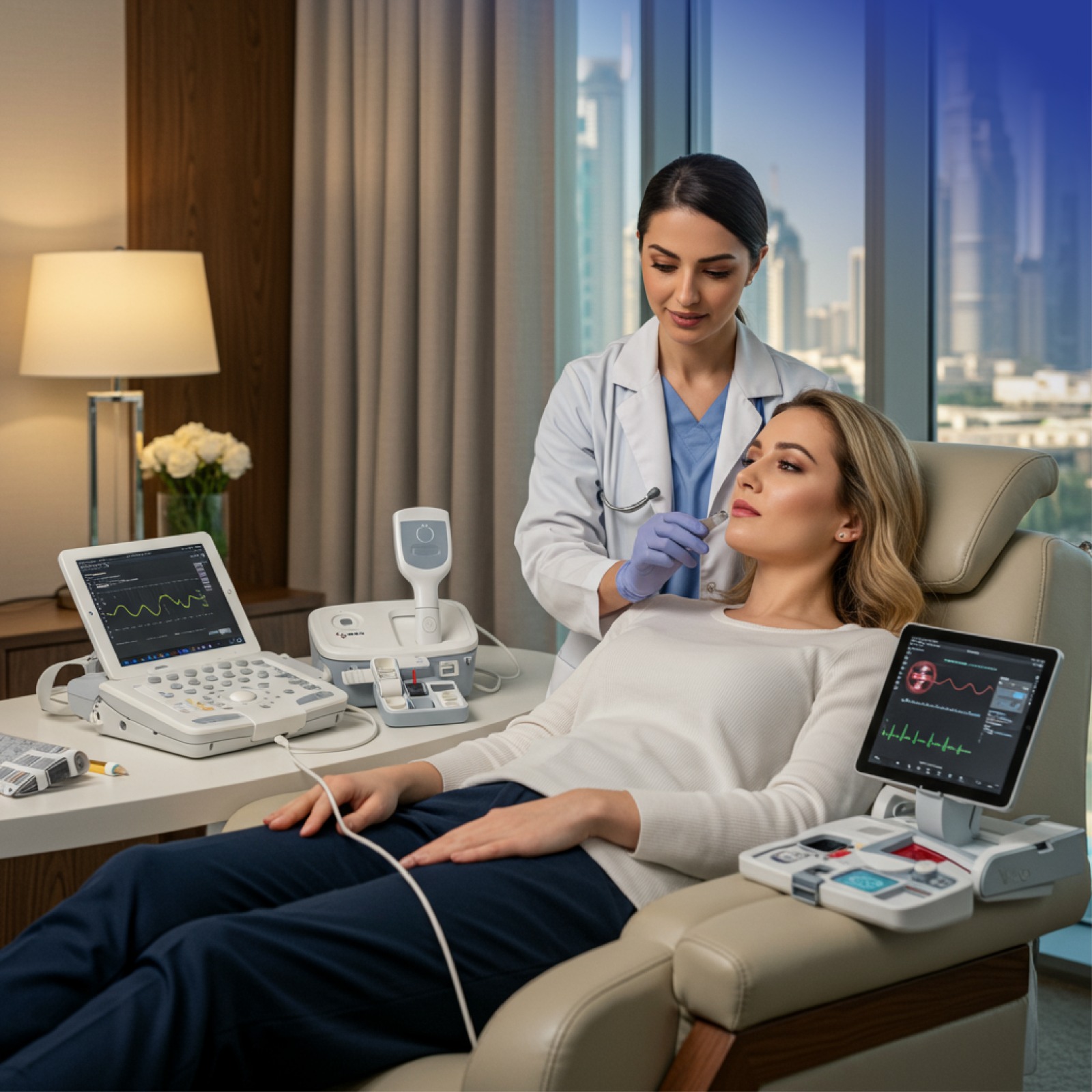
With Vesta Care, you can now have a medical expert do your lipid profile test in the comfort of your own home in Dubai. Get DHA licensed nurse to your house in the next 45 minutes of the same day, and you should have results in the following 24 to 48 hours.
Our one-stop solution for medical laboratory tests at home in Dubai integrates the clinical assessment, diagnosis, and treatment cycle anywhere in Dubai within minutes from your call. Our focus is in on outstanding accuracy and clinical compliance coupled with fast availability and affordability.
Our Lab services →What a lipid profile test helps detect
One blood sample screens for:
- Your risk of cardiovascular disorders such as heart disease, myocardial infarction, and stroke — in adults and in children
- An accumulation of lipids — triglycerides and cholesterol — that can damage your arteries and blood vessels
- Your personal risk of heart attacks, strokes, and blood vessel disorders like DVT
- Raised VLDL in a fasting sample, which might indicate an issue with lipid metabolism
- Elevated cholesterol that is producing no symptoms or indicators at all
How to diagnose the increase in your cholesterol?
Lipid panel, often known as lipid profile, is a blood test used to measure cholesterol levels. To determine the extent of your elevated cholesterol and your personal risk of heart attacks, strokes, and blood vessel disorders like DVT, a Lipid Profile test is administered. Usually, elevated cholesterol levels don’t cause any symptoms or indicators.The process aids in determining and analyzing the blood’s fat content. If there is an excessive amount of cholesterol in the blood, treatment may be started to lower cholesterol levels and lower the risk of heart failure. Typical results include:
Usually, you have to fast for nine to twelve hours before to the test, meaning you may only drink water. You should adhere to your doctor’s advice regarding fasting for certain cholesterol tests. For a number of reasons, your doctor could advise you to have this test. It could be a necessary component of a prescribed course of care or a routine physical examination. It is advised that people have this test performed every four to six years, regardless of their risk assessment.
Taken together, the first five entries are what this page describes earlier as your triglycerides and four distinct cholesterol levels — total, LDL, HDL and VLDL. The panel reports eight values from that one blood draw: those five, plus three figures the laboratory derives from them — non-HDL cholesterol and the two ratios. The derived figures need no additional sample and no additional appointment.
Other Conditions Monitored with a Lipid Panel
While lipid panels are mostly used to screen for or monitor cholesterol levels, they are also occasionally used in the diagnosis process for other medical conditions that might affect lipid levels, such as:
In each of these settings an abnormal lipid result points your doctor towards a cause rather than making the diagnosis on its own — the panel is read together with the clinical picture and whatever other tests the condition calls for.
Lipid Testing in Children
It is possible for children to have elevated cholesterol. A lipid panel blood test can be necessary in children, particularly when risk factors are present. Diet, obesity, and inheritance are the three variables associated with children's cholesterol levels.
Children with high cholesterol often have one or both parents who also have high cholesterol.
Why do I need a lipid panel blood test?
A lipid panel blood test may be necessary for a number of reasons. Lipid panels are often used by healthcare practitioners as screens and monitoring tools.You may be more susceptible to lipid-related problems in the future if you smoke, are overweight, eat poorly, exercise seldom, have high blood pressure, have pre-existing heart disease, have diabetes or pre-diabetes, etc. Regular lipid testing may be beneficial in these situations.
Cardiovascular Risk Factors and Routine Screening
Your physician might advise routine screening with a lipid panel if you have one or more cardiovascular disease risk factors, in an effort to identify increased cholesterol levels before symptoms appear.
One panel is a snapshot. What a physician acts on is the pattern across repeated panels read next to these risk factors, which is why the screening above is described as routine rather than one-off.
Ready when you are — your lipid/cholesterol profile test
Choose your date and time below — a DHA-licensed nurse comes to you, and results follow in 24 to 48 hours.

Related tests that read alongside your lipid results
Care you can trust — from named, DHA-licensed clinicians

DHA-licensed GP with an MD in Pediatrics and over a decade of experience across out-patient and in-patient care, leading Vesta Care's clinical team and quality standards.

DHA-licensed GP with expertise in emergency medicine, intensive care and home-based care, bringing extensive experience from leading healthcare institutions across Sudan and the UAE.