Kidney Function Test at Home in Dubai
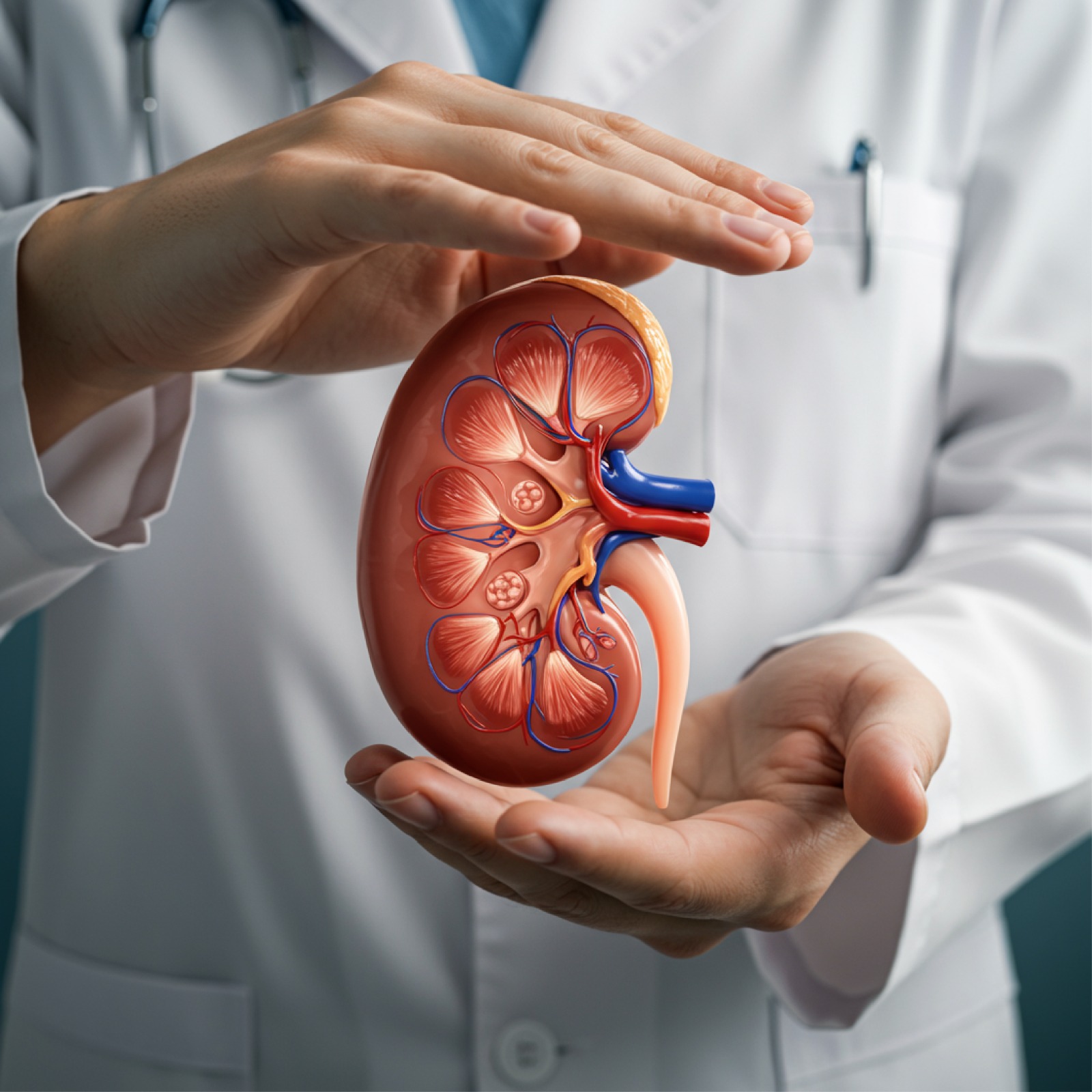
The kidney is the most important organ in the body and performs various vital functions including the removal of waste and extra body fluid in the body and maintaining a healthy balance of water and electrolytes in the blood. A kidney Function Test or Renal Function Test is performed to check how well your kidneys are working properly and clear wastes from your system.
At Vesta Care we offer a standard Kidney Function Test at home. With trained medical professionals arriving at your doorstep and test runs at licensed laboratories, the results will be delivered within 24 to 48 hours.
What is the Kidney Function Test?
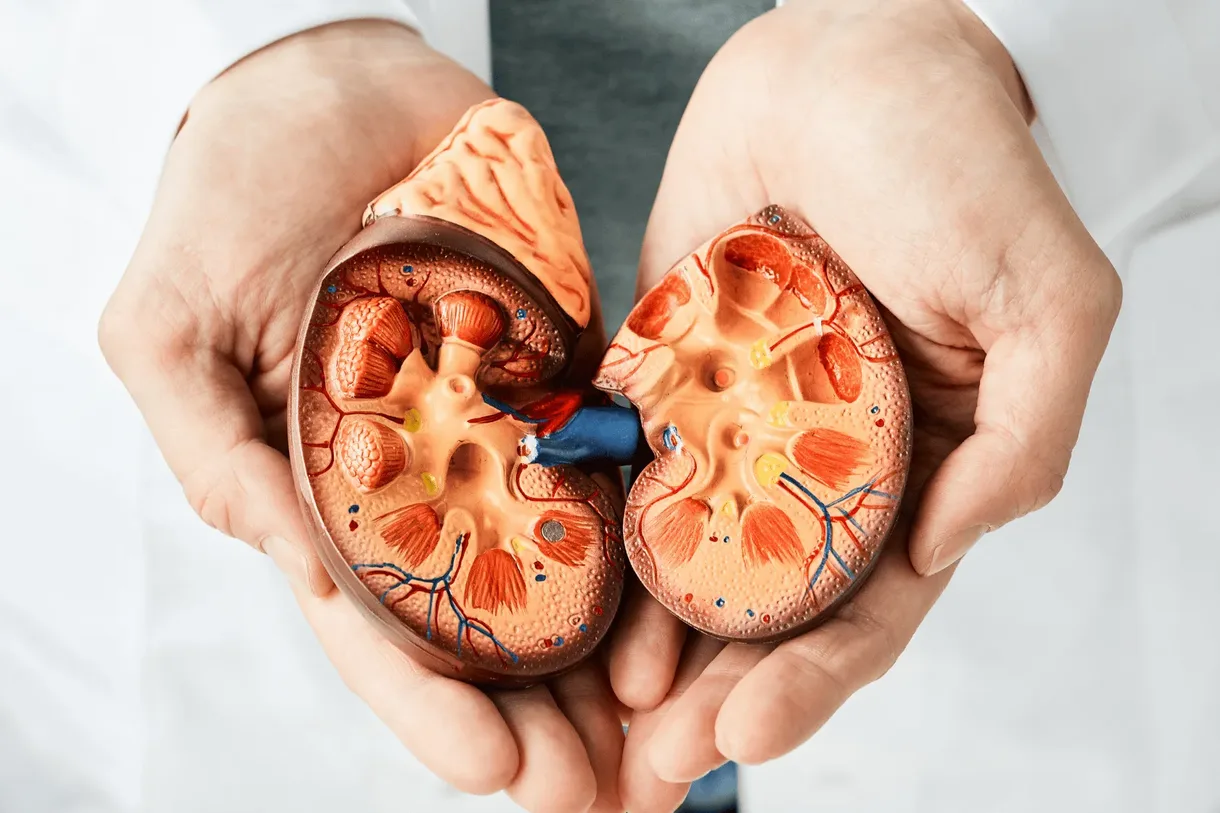
The kidney performs various functions in the body with the regulation of blood volume, blood pH, blood pressure, and removal of waste from the body. To evaluate these functions kidney function test will be performed.
Renal Function Test also measures the Glomerulus Filtration Rate (GFR) which assesses how properly your kidney clears waste from the body. Normally kidney function test consists of blood and urine analysis which help to examine any kind of abnormalities related to these functions.
The G in GFR stands for glomerular — the glomeruli are the microscopic filtering tufts inside the roughly one million nephrons in each kidney. That rate is almost never measured directly: it is estimated from a blood creatinine result read together with your age and sex, which is why a report shows an eGFR in mL/min/1.73 m² rather than a measured GFR. The urine half of the panel adds what a blood sample alone cannot show — protein or albumin leaking through those filters.
What a kidney function test at home helps detect
A blood sample and, where needed, a urine sample screen for:
- Reduced filtering capacity — reported as your estimated GFR (eGFR)
- Raised blood urea nitrogen (BUN) — urea formed by protein breakdown that the kidneys are not clearing
- Raised serum creatinine, the waste product of muscle-tissue breakdown
- An electrolyte imbalance — sodium, potassium, chloride or bicarbonate
- Blood, protein or albumin in urine, and changes in its colour, volume or appearance
- Early kidney disease in diabetes or high blood pressure, which often causes no symptoms at first
Why Kidney Function Test is necessary?
Your healthcare professional may suggest you get a kidney function test for a variety of reasons. These tests help to evaluate any possibilities that point toward kidney function.
If you are experiencing any symptoms such as vomiting, loss of appetite, urination color and volume changes, high BP, etc. then you might need a kidney function test which tells the underlying problems.
None of these confirms a problem on its own. Chronic kidney disease is defined by an abnormality of kidney structure or function that has persisted for three months or more, so a single out-of-range result is repeated and confirmed before it is called chronic, and it is read alongside the urine albumin result rather than from one number in isolation. If your report shows a deviation from the normal range, a Vesta Care doctor goes through it with you at no extra cost.
Which tests are important in the Kidney Function Test?
Kidney function tests include blood and urine tests which help to determine the function of kidneys.
Different types of tests will be performed to check the function of kidneys and a few important ones are as follows:
Kidney function tests may include all these tests or sometimes your healthcare provider may instruct you to get a specific one.Reading an eGFR correctlyA single eGFR is a snapshot, not a diagnosis. International guidance from KDIGO defines chronic kidney disease as an abnormality of kidney structure or function that has persisted for at least three months, and stages it on two axes at once — G1 to G5 by filtration rate and A1 to A3 by albuminuria — never on one reading alone. The estimate itself is calculated from serum creatinine with your age and sex using the CKD-EPI equation, and the current version of that equation carries no race coefficient: a joint task force of the National Kidney Foundation and the American Society of Nephrology recommended removing it in 2021, and race-free reporting is now the standard. Your doctor reads the number in that context — alongside a repeat measurement and a urine albumin test.What our renal profile actually reportsBeing plain about the fourth test: the electrolytes are measured by our laboratory, but not by the renal profile. Our Kidney / Renal Profile reports six parameters from a single blood draw, no fasting required — serum creatinine · blood urea nitrogen · the BUN/creatinine ratio · eGFR · uric acid · calcium. Sodium, potassium and chloride are not among them: they are reported inside our wider health checkups, or ordered individually in the same draw, and they are covered in full on our electrolyte test page. Bicarbonate and serum urea sit in the same position — available individually, ordered separately from the renal profile.Reading this test elsewhere in DubaiIf you are comparing a home visit with going to a collection point, our companion guide to the kidney function test in Dubai covers the same panel without the at-home framing.
Why does a kidney function test matter to me?
Set aside the definitions for a moment. There are four ordinary situations in which this particular test earns its place in a person’s year: a baseline recorded while you are well, an existing condition that keeps the kidneys under load, a decision your doctor has to make before an operation or a new prescription, and a second result to hold the first one against.
Ready when you are — your Kidney Function Test at home
Pick a date below or start your booking in a few taps. Some kidney tests need fasting or a pause on certain medicines — our team gives you the exact instructions for the test you book.

How is the Kidney Function Test performed?
A kidney function test includes the complete screening of blood and urine. With the blood test eGFR and electrolyte balance are examined while the urine test involves the determination of serum creatinine, blood urea, blood urea nitrogen, or infection. Also, the physical appearance of urine tells of any complications in the kidney.
The procedure for the kidney function test is very simple. In a blood test sample of blood is pricked from a vein using a small butterfly needle and collected in a small test tube. In a urine test, the urine sample is collected in a small container which is examined in laboratories and the results are shared within 24 to 48 hours. Sometimes your doctor may also recommend a complete 24-hour urine analysis for the evaluation of blood, protein, and albumin in urine which indicate kidney damage.
Where each of these results actually comes from
Serum creatinine, blood urea and blood urea nitrogen are all measured in the blood sample, and your eGFR is calculated from that blood creatinine result together with your age and sex. The urine sample is assessed separately — for protein and albumin, blood, glucose, specific gravity, pH and cells — and where your doctor orders the full 24-hour collection it is measured for total protein and albumin excretion. International kidney guidance (KDIGO) grades kidney health on exactly that pairing: an eGFR taken from blood alongside an albumin measurement taken from urine, which is why the panel screens both.
Booked at home alongside a kidney function test


Care you can trust — from named, DHA-licensed clinicians

DHA-licensed GP with an MD in Pediatrics and over a decade of experience across out-patient and in-patient care, leading Vesta Care's clinical team and quality standards.

DHA-licensed GP with expertise in emergency medicine, intensive care and home-based care, bringing extensive experience from leading healthcare institutions across Sudan and the UAE.