Male Fertility Profile at Home in Dubai
Comprehensive male fertility blood test Dubai. Check testosterone, FSH, LH, prolactin, SHBG & more at home. No fasting. Results in 24 hours at AED 399.

Home sample collection, lab processing, secure report & a free doctor consultation — no hidden fees.
Book Now- DHA-licensed phlebotomist at your door
- Complimentary medical consultation with a doctor
- ISO 15189-accredited laboratory · results in 24 hours
- Session time 30–45 min · home visit within 45 minutes
 ISO 15189
Explore the included tests and biomarkers
Select a profile or test to see its included components and a plain-language explanation. Related measurements are grouped together for easier reading.
FSH helps regulate ovarian follicle development and sperm production. LH is involved in ovulation and in stimulating testosterone production. Prolactin supports milk production; abnormal levels may be investigated in reproductive or pituitary conditions. Estradiol is an oestrogen involved in reproductive function; levels vary with menstrual stage and menopause. Testosterone is involved in sexual development and reproductive function; interpretation depends on age, sex and sampling time. Free testosterone measures the unbound fraction of testosterone. SHBG is a protein that binds sex hormones and helps put testosterone measurements into context. Hormone values depend on age, sex, medication and, where relevant, menstrual stage. Labels identify any sex-specific selection; the results do not diagnose infertility by themselves.
Cortisol is an adrenal hormone involved in the stress response and metabolism. Levels vary during the day and are interpreted with the sampling time and clinical context.
This test measures hCG, a hormone used in pregnancy assessment and certain other clinical investigations. A result is interpreted for the reason the test was ordered; a single measurement does not establish pregnancy location or viability.
A complete picture of your health, without a clinic queue
A DHA-licensed phlebotomist collects your sample at home, our ISO 15189-accredited laboratory processes it, and a doctor reviews the results with you over a complimentary consultation — so you finish with a plan, not just a PDF.
Who it's for
- Fertility
- Men's Health
- Hormonal Health
- Family Planning
How it works
- 1Book & add to cartChoose a date and time — same-day appointments across Dubai.
- 2Home sample collectionA DHA-licensed phlebotomist collects your sample at home in one visit.
- 3Lab processingYour sample is analysed at our ISO 15189-accredited laboratory.
- 4Results + consultationFast results, then a free doctor consultation to explain them.
What your results reveal
Read together by a doctor, your biomarkers build a connected picture of your health.
Male Infertility
Low Testosterone
Hyperprolactinemia
Hormonal Imbalance

Ready when you are — your Male Fertility Profile
Pick a date or start booking below — your Male Fertility Profile is already loaded into your cart.
How to prepare
No fasting is required. A morning appointment is preferable because testosterone is highest early and falls across the day. Avoid heavy training the day before, and tell our doctor about any testosterone, steroid or supplement use — these suppress the very hormones being measured and make results uninterpretable without that context.
Who should take this test
For men investigating difficulty conceiving, reduced libido or fatigue, usually alongside a partner's assessment rather than in isolation. Hormones and semen analysis answer different questions and are complementary: normal hormones do not guarantee a normal semen analysis, and an abnormal semen analysis is not always explained by hormones. Our doctor will usually recommend both together rather than one and then the other.
Everything you need to know about the Male Fertility Profile
Comprehensive male fertility blood test Dubai. Check testosterone, FSH, LH, prolactin, SHBG & more at home. No fasting. Results in 24 hours at AED 399.
No blood test counts sperm. A male fertility hormone panel examines the signalling that drives sperm production and the hormones that can quietly interfere with it, which is a different question from how many sperm there are and how well they move. Both questions usually need answering, and this is the easier one to start with.
What a hormone panel can and cannot tell you
Sperm production is a downstream process. It depends on pituitary signalling reaching the testes, on enough testosterone being produced locally, and on nothing else in the endocrine system overriding either. This panel measures that chain. A semen analysis measures the output of it. The two are complementary rather than interchangeable: normal hormones do not guarantee a normal semen analysis, and an abnormal semen analysis is not explained by hormones in every case.
Free testosterone, total testosterone and the protein in between
Most of the testosterone circulating in your blood is not available to your tissues. It is bound to sex hormone binding globulin, known as SHBG, and to albumin, and only the small unbound fraction is biologically active. A total testosterone measures everything, bound and free together, as one figure.
That matters because SHBG itself moves. It rises with age, with an overactive thyroid and with liver disease, and it falls with obesity, insulin resistance and an underactive thyroid. When SHBG is unusual, a total testosterone can look reassuring while the free fraction is low, or the reverse. Measuring total, free and SHBG in the same sample is what resolves the ambiguity, and it is the main reason this panel runs wider than a general male hormone check.
Why FSH carries particular weight here
FSH acts on the supporting cells inside the testes that sustain sperm production, and those cells send a signal back to the pituitary when production is healthy. When that feedback weakens, the pituitary responds by raising FSH. A raised FSH therefore points towards a problem within the testis itself rather than in the signal reaching it, and it often does so before testosterone has moved at all. That is a distinction with real consequences for what is investigated next.
The markers you would not expect in a male panel
Oestradiol appears because testosterone is converted into it, particularly in fat tissue, and an unbalanced ratio suppresses the pituitary signals. Prolactin appears because a persistently high level reduces LH output and, with it, testosterone. Cortisol appears because the stress axis interacts directly with the reproductive one. Beta hCG is included as a tumour marker; in men it is normally undetectable, and it sits in the panel so that an unexpected finding is not missed.
Getting a result worth acting on
Give the sample in the morning, when testosterone is at its daily peak, and avoid testing during an acute illness or straight after a stretch of very poor sleep, heavy drinking or unusually intense training. All of those push the numbers down temporarily and none of them reflects a lasting problem. No fasting is required. A nurse collects at your home, hotel or office, results are available within a day, and the doctor consultation that follows covers what the pattern suggests and which further assessment, semen analysis included, is the sensible next step.
Compare other health checkups


Care you can trust — from named, DHA-licensed clinicians

Written for Vesta Care patients in Dubai, using the laboratory's own panel definitions and reference ranges. Content is reviewed for clinical accuracy before publication and updated whenever the panel composition changes.
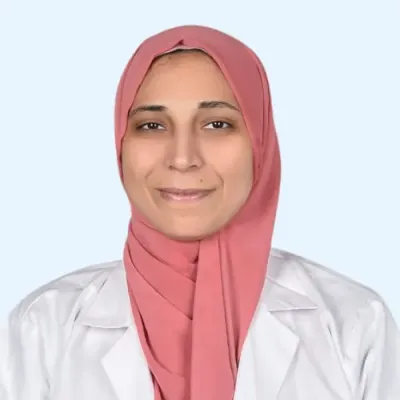
Independently reviewed for clinical accuracy: the biomarkers listed, what each one measures, the conditions it helps identify and the preparation advice were checked against current laboratory practice. Reviewing clinician is always different from the author, and no page is published without this second read.
This article has been reviewed for medical accuracy. It is intended for informational purposes only and does not substitute professional medical advice, diagnosis, or treatment.


