

The International Diabetes Federation (IDF) estimates that 1.17 million UAE residents will be living with diabetes by 2030, and the Dubai Household Health Survey 2019 identified that higher rates of diabetes in Dubai are significantly associated with Emirati nationality, older age groups, male gender, physical inactivity, and high BMI.
Globally, the IDF estimates that about 1 in 19 adults (ages 20–79), or around 589 million people, were living with diabetes in 2022 - and more than 4 in 10 did not know they had it. In Dubai, undiagnosed diabetes remains a significant concern, making early diabetes testing in Dubai a critical first step for every resident and expat.
The positive aspect: diabetes is manageable, and for people with prediabetes and type 2 diabetes, the risk of progression can be significantly minimised. Programs modelled on the Diabetes Prevention Program (DPP) have shown a 58% decline in type 2 diabetes risk (71% for adults aged 60+) among prediabetic individuals. For a complete overview, read our blog on understanding diabetes: causes, diagnosis, prevention and control.
Decoding the Term "Diabetes" - What It Means for Dubai Residents
In simple words, diabetes is a chronic disorder in which the level of glucose (sugar) remains higher in blood than normal. This is a condition affecting millions of people across Dubai, the UAE, and the wider GCC region. The body experiences one or more of the following:
- Unable to produce sufficient insulin
- Inefficient insulin utilisation
- In certain cases, insulin production is minimum or absent
Insulin is a hormone made by the pancreas that acts like a key, allowing glucose from food to enter the cells for energy. If the body produces too little insulin or it does not work properly, glucose stays in the blood, which leads to health problems over time.
Critical Role of Blood Sugar Control in the UAE
Glucose is crucial for survival. Our body breaks down carbohydrates into glucose, which enters the bloodstream. Insulin then delivers glucose into cells for energy production.
With diabetes, this process is disrupted - glucose stays in the bloodstream and damages blood vessels, increasing the risk of heart disease, kidney problems, and eye conditions. In Dubai, where diets are often rich in refined carbohydrates, white rice, sweetened beverages, and fast food, maintaining healthy blood sugar levels requires active awareness. If you are experiencing symptoms, a blood sugar test at home in Dubai is a fast, convenient first step.
Is Diabetes Preventable or a Lifelong Disease?
In the majority of cases, diabetes is a chronic condition. However, it varies depending on its type and how effectively it is managed.
- Type 1 is a severe condition requiring lifelong insulin therapy
- Type 2 can be controlled through a healthy lifestyle - daily exercise, balanced diet, and weight maintenance
- Prediabetes is a condition where blood sugar is high but not yet diabetic; it can be managed through lifestyle changes. Many Dubai residents in this category are unaware of their status.
Key Blood Tests for Diabetes Monitoring
Current Scientific Insights Into Diabetes - What Research Shows in 2026
Contemporary scientific research highlights that eating sugar is not the only cause of diabetes. The condition is influenced by genetics, lifestyle, body weight, hormonal imbalance, inflammation, and metabolic health. Insulin resistance, often caused by excess body fat, is a key factor in the progression to type 2 diabetes.
In the UAE, the rapid urbanisation of Dubai, combined with increasingly sedentary work environments, air-conditioned lifestyles, and high-calorie diets, has created a uniquely high-risk environment for metabolic disease. Diabetes is influenced by genetics, insulin resistance, obesity, lifestyle, and hormonal factors - not sugar intake alone. Read our blog on understanding diabetes causes and prevention for a detailed overview.
How the Body Regulates Blood Sugar Levels
Two hormones produced by the pancreas play the primary role in maintaining blood sugar levels.
Insulin Secretion by the Pancreas
Insulin is released immediately after eating (when blood sugar rises). It helps glucose enter body cells to be used for energy or stored as glycogen in the liver and muscles, regulating normal blood sugar levels.
Function of Stored Glucagon
The pancreas releases glucagon when blood sugar falls. Glucagon signals the liver to release stored glucose into the blood, maintaining blood sugar within a healthy range.
Underlying Mechanism of Diabetes - How It Disrupts Normal Blood Sugar
In diabetes, the blood sugar regulation process is disrupted. It occurs in three ways:
Low Insulin Level
The body is unable to produce sufficient insulin from the pancreas. Without it, glucose cannot enter cells and accumulates in the bloodstream.
Insulin Resistance
The body cannot use insulin effectively, leading to persistently high blood sugar despite normal or elevated insulin production.
Both Factors Together
The body first resists insulin, forcing the pancreas to produce more. Over time, the pancreas becomes exhausted and loses the ability to release sufficient insulin. Glucose cannot enter cells, stays in the bloodstream, and raises blood sugar levels - leaving cells starved for energy.
Root Causes of Diabetes in the UAE
Diabetes is often misunderstood as a disease caused by eating too much sugar. It is a complex metabolic condition rooted in genetics, hormones, immune function, and insulin-related processes. In Dubai, the causes are amplified by lifestyle factors unique to the city - sedentary indoor living, processed food culture, and physiological stress from extreme heat. Early screening is critical because diabetes often develops without symptoms. Vesta Care makes early detection easy with a convenient diabetes test at home in Dubai - or book a full diabetics profile test for a comprehensive picture.
1. Causes of Type 1 Diabetes (Autoimmune)
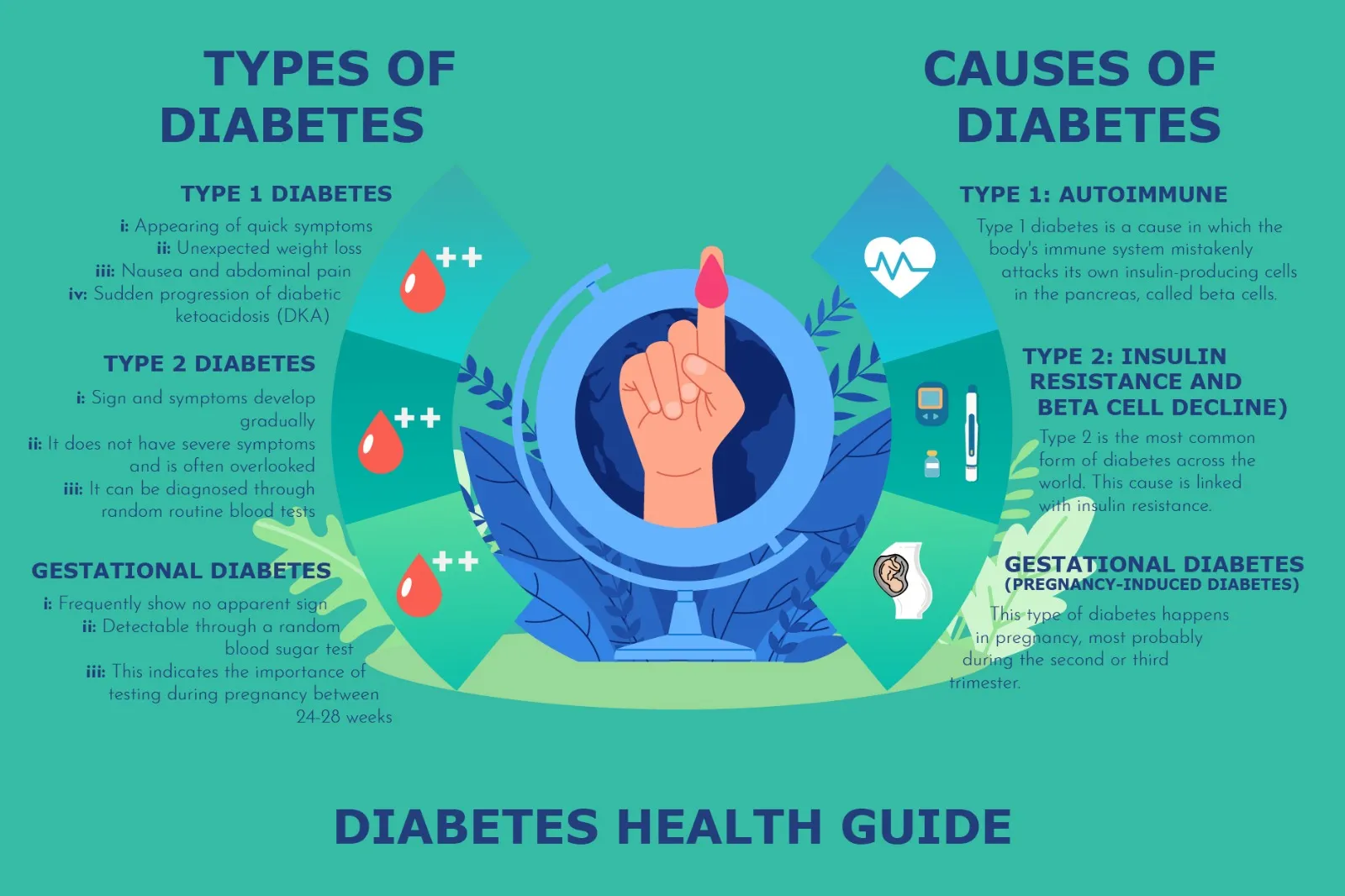
Type 1 diabetes occurs when the body's immune system mistakenly attacks its own insulin-producing beta cells in the pancreas. After these cells are destroyed, the body loses its ability to produce insulin - requiring daily insulin therapy to survive. Type 1 diabetes affects residents of all nationalities in Dubai, from expat children to Emirati adults.
Key Facts About Type 1 Diabetes
- It is not caused by lifestyle or sugar intake
- It can occur at any stage of life - not age-dependent
- Genetics and environmental triggers are the primary causes
- It is not preventable due to its autoimmune nature
2. Causes of Type 2 Diabetes in Dubai - Insulin Resistance and Beta Cell Decline
Type 2 is the most common form of diabetes - and in Dubai, it accounts for the vast majority of cases. Dubai's lifestyle profile - high-calorie diets, physical inactivity particularly during summer months, chronic stress, and disrupted sleep among expat professionals - creates a high-risk environment for Type 2 diabetes. This is fundamentally linked with insulin resistance. For related reading, see our page on high blood pressure and diabetes management at home in Dubai.
Beginning of Insulin Resistance
During insulin resistance, the body still produces enough insulin, but cells do not respond properly - and as a result, sugar remains high in the bloodstream.
Overburdening of the Pancreas
To tackle insulin resistance, the pancreas produces more and more insulin to regulate blood sugar levels, becoming progressively stressed.
Exhaustion of the Pancreas
Over time, the pancreas loses its ability to meet the body's increasing insulin needs. When insulin production decreases while resistance stays high, blood sugar rises steadily - resulting in Type 2 diabetes.
Underlying Causes That Trigger Type 2 Diabetes
- Genetic predisposition
- Excess body fat, particularly abdominal fat - highly prevalent in Dubai's sedentary expat population
- Physical inactivity - worsened by Dubai's extreme summer heat
- Persistent unhealthy diet - including high-carb Arabic foods, fast food, and sweetened beverages
- Metabolic stress on the pancreas
Unlike Type 1, Type 2 diabetes is often preventable by adopting a healthy lifestyle - a message actively supported by the Dubai Health Authority's prevention campaigns.
Major Factors Behind Gestational Diabetes (Pregnancy-Induced Diabetes) in the UAE
Gestational diabetes occurs during pregnancy, most commonly in the second or third trimester. In the UAE, gestational diabetes screening is recommended by DHA guidelines for all pregnant women between 24 and 28 weeks. Placental hormones help the fetus grow but can simultaneously cause insulin resistance in the mother. For pregnant women in Dubai, at-home diabetes testing offers a safe, DHA-compliant screening option without the inconvenience of clinic visits. Gestational diabetes often improves after delivery, but it contributes to a higher likelihood of Type 2 diabetes later in life.
Track your blood sugar & HbA1c from home
A certified nurse visits your home to collect your sample. Get results within 24 hours — no clinic queues.
Book a Blood Test at Home →Contributing Risk Factors That Raise the Risk of Type 2 Diabetes - A Dubai Perspective
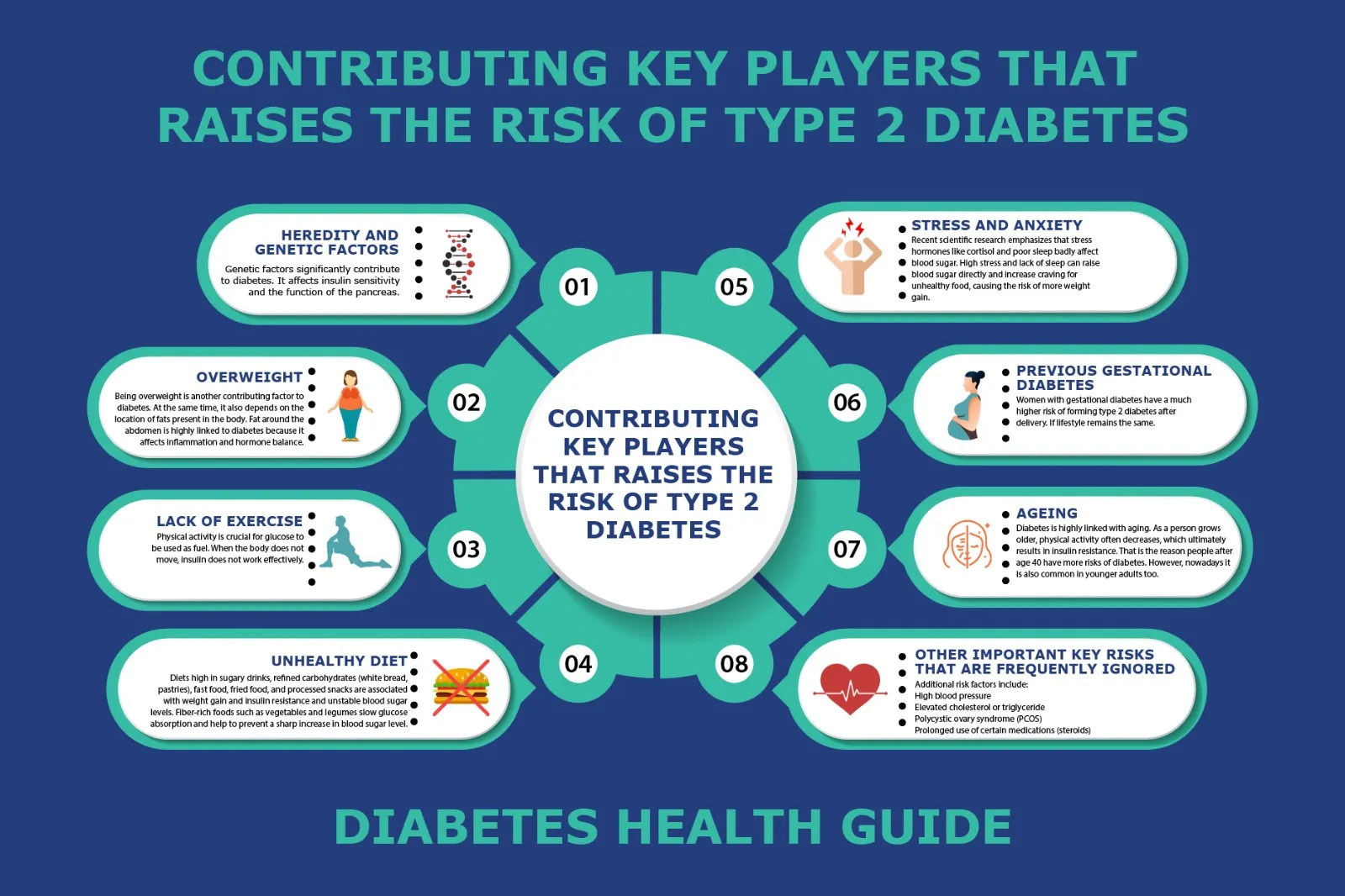
1. Heredity and Genetic Factors
Genetic factors significantly contribute to diabetes risk. The Dubai Household Health Survey 2019 confirmed that Emirati nationals have significantly higher diabetes prevalence than other nationalities in Dubai, reflecting a strong genetic predisposition in this population.
2. Overweight and Obesity
The UAE has one of the highest overweight and obesity rates in the MENA region, driven by sedentary lifestyles and calorie-dense diets. Fat around the abdomen is particularly dangerous - it directly affects inflammation and hormone balance, both of which drive diabetes risk.
3. Lack of Exercise
Physical activity is crucial for glucose to be used as fuel. In Dubai, temperatures exceeding 45°C from June to September significantly reduce outdoor physical activity for residents and expats alike - a documented contributor to rising diabetes rates in the UAE. Managing diabetes through structured exercise is a cornerstone of Vesta Care's diabetes management home nursing service in Dubai.
4. Unhealthy Diet in the UAE Context
Diets high in sugary drinks, refined carbohydrates (white bread, pastries, white rice), fast food, fried food, and processed snacks are strongly associated with weight gain and insulin resistance. In Dubai, the widespread availability of high-carb Arabic food and fast food creates a challenging dietary environment. Fibre-rich foods such as vegetables and legumes slow glucose absorption - but remain underconsumed across Dubai's diverse population.
5. Stress, Anxiety, and Expat Lifestyle Pressures
Stress hormones like cortisol and poor sleep directly affect blood sugar. In Dubai, expat professionals face unique stressors including relocation, cultural adjustment, demanding work schedules, and financial pressure. Chronically elevated stress levels raise cortisol, which raises blood sugar and increases cravings for high-calorie foods - compounding diabetes risk.
6. Previous Gestational Diabetes
Women who developed gestational diabetes during pregnancy have a significantly higher risk of developing Type 2 diabetes later in life - particularly if lifestyle factors remain unchanged after delivery.
7. Ageing in Dubai's Resident Population
The DHA notes that older age groups are among the highest-risk populations in Dubai, particularly Emirati nationals over 40. As a person grows older, physical activity often decreases, leading to insulin resistance. However, Type 2 diabetes is increasingly being diagnosed in younger Dubai residents too, reflecting lifestyle patterns beginning in adolescence.
8. Other Frequently Overlooked Risk Factors
- High blood pressure - strongly correlated with diabetes in the UAE
- Elevated cholesterol or triglycerides - common in Dubai's high-fat diet population
- Polycystic ovary syndrome (PCOS) - increasingly prevalent among younger women in the UAE
- Prolonged use of certain medications (steroids) - particularly relevant for patients managing chronic conditions
Preventive Measures for Diabetes in Dubai
According to the World Health Organization (WHO) and endorsed by the Dubai Health Authority:
- Type 1 diabetes is not currently preventable - it is an autoimmune disease in which the immune system destroys insulin-producing beta cells in the pancreas.
- Type 2 diabetes is often preventable by adopting a healthy lifestyle during the early stages - including a balanced diet, regular physical activity, and maintaining a healthy weight. Dubai residents in the prediabetes range can reverse their risk with timely intervention.
Type 3c Diabetes (Pancreatic Diabetes)
In Type 3c, diabetes develops because the pancreas is injured or damaged and cannot produce enough insulin. This leads to high blood sugar levels. The pancreas has two primary functions: an endocrine role (releasing insulin and regulatory hormones) and an exocrine role (secreting enzymes for food digestion). In Type 3c, both roles may be disrupted - leading to hyperglycaemia and digestive difficulties. Its major causes include persistent pancreatitis, cystic fibrosis, pancreatic malignancy, and severe pancreatic damage.
Why Type 3c Is Often Misdiagnosed as Type 2 in the UAE
Type 3c diabetes is frequently confused with Type 2 in clinical settings across the UAE, particularly in adults with a history of pancreatic disease such as chronic pancreatitis. Treatment differs significantly - Type 3c requires both insulin replacement and digestive enzyme replacement therapy. Misdiagnosis leads to ineffective treatment.
Diagnostic Signs of Type 3c Diabetes
- Unexpected weight loss
- Greasy, foul-smelling stools due to fat malabsorption
- Prior history of abdominal discomfort or pancreatitis
- Fat-soluble vitamin deficiency
Early diagnosis can improve glucose control and nutritional levels.
LADA - Latent Autoimmune Diabetes in Adults
LADA (Latent Autoimmune Diabetes in Adults) is a hybrid form of diabetes combining features of both Type 1 and Type 2. It is caused by an autoimmune attack on insulin-producing cells - as in Type 1 - but occurs gradually. In Dubai, most people with LADA are initially diagnosed as having Type 2 diabetes, leading to treatment plans that do not address the underlying autoimmune process.
Distinctive features of LADA:
- Appears in adults, usually over 30 years old
- Presence of immune antibodies indicates pancreatic autoimmunity
- Slow deterioration of pancreatic insulin production
- Oral medications may work initially; insulin replacement eventually becomes necessary
Why Early Identification of LADA Matters
If LADA is treated as Type 2 diabetes over the long term, blood sugar levels will remain unstable because the core problem is insulin deficiency - not merely insulin resistance. Early identification allows doctors to select more effective treatment strategies and protect remaining beta cells.
Indicators Pointing to LADA Rather Than Type 2
- Presence of diabetes in a non-obese adult
- Rapidly rising blood glucose levels even with lifestyle changes
- Family predisposition to autoimmune disorders
- Earlier requirement for insulin therapy than typical in Type 2 diabetes
MODY - Maturity-Onset Diabetes of the Young
MODY is a rare genetic form of diabetes caused by a mutation in a single gene. Unlike Type 2, it is not linked to weight gain or insulin resistance. MODY is inherited in an autosomal dominant pattern - if one parent carries the gene mutation, there is a significant chance it will be passed to their children. In Dubai's diverse population, MODY may be underdiagnosed due to its similarity to Type 1 and Type 2 diabetes.
Distinctive Features of MODY
- Typically develops in teenagers or young adults (before age 25–35)
- Can resemble Type 1 or Type 2 diabetes but is genetically distinct
- Insulin therapy may not always be required
- Treatment varies depending on the specific gene mutation
Importance of Correct MODY Identification in the UAE
MODY is often misdiagnosed as Type 2 diabetes, leading to unnecessary insulin use. Certain MODY subtypes respond better to specific oral medications (sulfonylureas), while others may require minimal interventions. Genetic testing - available in Dubai - is usually necessary to confirm a MODY diagnosis.
Signs Suggesting MODY Rather Than Type 2
- Diabetes onset before age 25–35
- Strong family history across multiple generations
- Mild to moderate hyperglycaemia with slow progression
- Absence of autoimmune markers typical of Type 1 diabetes
3 Common Signs of Diabetes
These are early warning signs. If you experience any of these, consult a doctor for a proper diagnosis.
Neonatal Diabetes - Diabetes Related to Infants
Neonatal diabetes is found in babies within their first six months of life. Unlike Type 1, it is most commonly caused by genetic mutations affecting insulin production - leaving the pancreas unable to produce sufficient insulin at birth or soon after.
Classification of Neonatal Diabetes
- Transient neonatal diabetes mellitus (TNDM): may resolve spontaneously after several months but requires careful monitoring
- Permanent neonatal diabetes mellitus (PNDM): requires lifelong treatment
Signs and Symptoms of Neonatal Diabetes
- Inadequate weight gain
- Increased urination
- Severe loss of body fluids
- Hyperglycaemia
- Abnormal lethargy
Importance of Early Diagnosis
Prompt diagnosis and treatment are necessary to prevent infants from severe fluid depletion and metabolic disturbances.
Early and Hidden Signs of Diabetes - What to Watch for in Dubai
Common Symptoms of Diabetes
Diabetes symptoms typically begin after blood glucose levels become persistently elevated. In Dubai's heat and high-activity lifestyle, several early symptoms are often dismissed as tiredness from the climate - making awareness especially important.
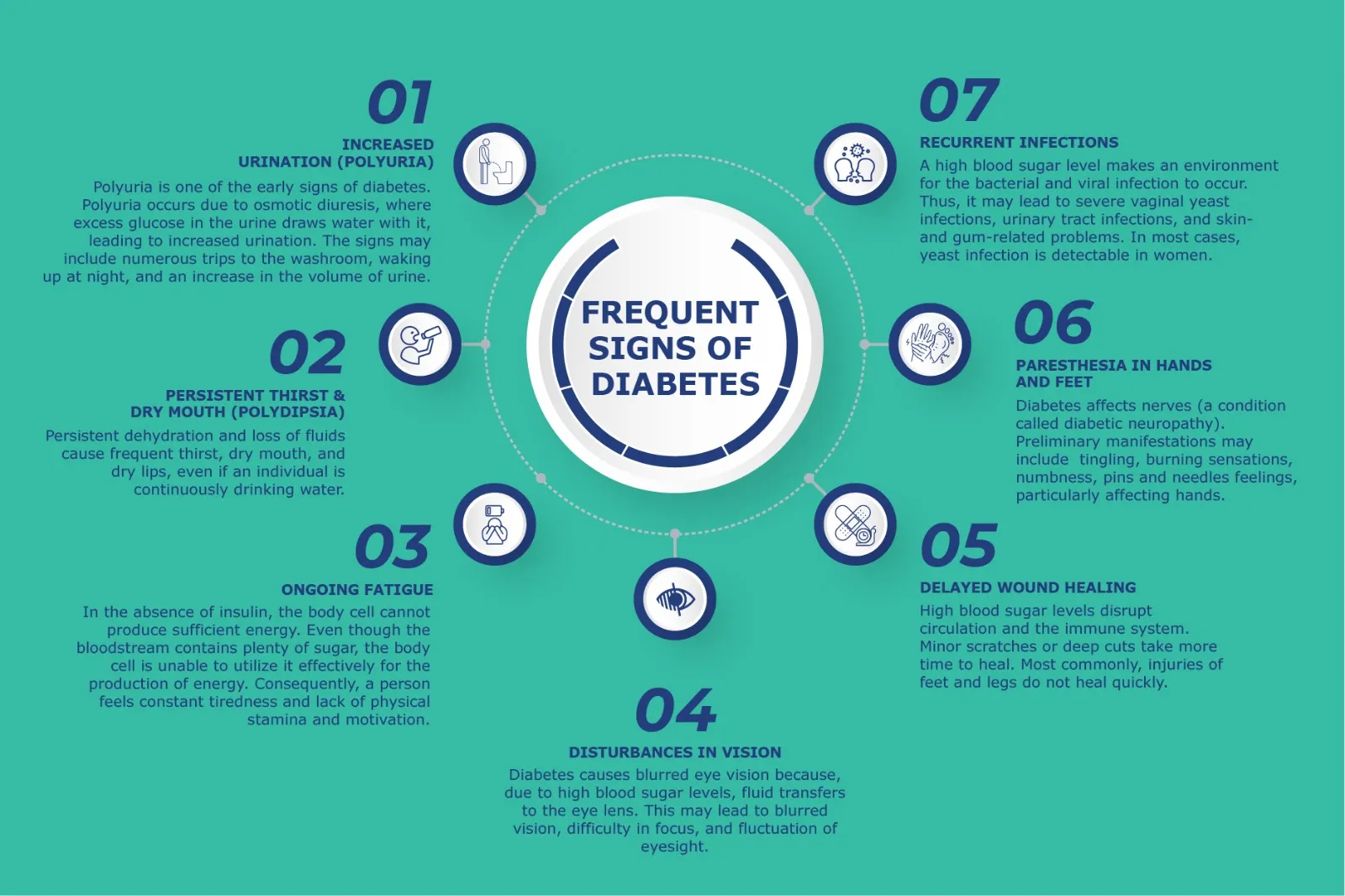
Increased Urination (Polyuria)
Polyuria is one of the earliest signs of diabetes. Excess glucose in the urine draws water with it - causing frequent urination, waking up at night, and increased urine volume.
Persistent Thirst and Dry Mouth (Polydipsia)
Persistent dehydration and fluid loss cause frequent thirst and dry mouth, even with continuous fluid intake. In Dubai's summer heat, this symptom is frequently attributed to the climate rather than an underlying metabolic condition.
Ongoing Fatigue
Without effective insulin, body cells cannot produce sufficient energy despite glucose being available in the bloodstream. Constant tiredness is among the most frequently dismissed symptoms in Dubai's working population.
Disturbances in Vision
High blood sugar causes fluid to transfer to the eye lens, resulting in blurred vision, difficulty focusing, and fluctuating eyesight.
Delayed Wound Healing
High blood sugar disrupts circulation and immune function. Minor scratches or deep cuts take significantly longer to heal - particularly injuries on the feet and legs.
Paresthesia in Hands and Feet (Diabetic Neuropathy Signs)
Early-stage nerve damage from diabetes manifests as tingling, burning sensations, numbness, and pins-and-needles feelings - particularly in the hands and feet.
Recurrent Infections
High blood sugar creates an environment where bacterial and viral infections thrive - leading to recurring urinary tract infections, vaginal yeast infections, skin problems, and gum disease.
Diabetes Symptoms Classified by Type
Type 1 Diabetes Symptoms
- Rapid onset of symptoms
- Unexpected weight loss
- Nausea and abdominal pain
- Sudden progression to diabetic ketoacidosis (DKA) - requires immediate emergency care
Type 2 Diabetes Symptoms
- Signs and symptoms develop gradually - often going undetected for years. This is why the DHA recommends regular diabetes testing in Dubai even without symptoms
- Often diagnosed through routine blood tests
- Subtle symptoms including fatigue, blurred vision, and slow wound healing are frequently overlooked
Gestational Diabetes Symptoms
- Frequently shows no apparent symptoms
- Detectable through a blood sugar test - critical between weeks 24–28 of pregnancy as per UAE DHA guidelines
Subtle or Overlooked Diabetes Indicators Common Among Dubai Residents
Feeling Sleepy After Meals
Post-meal lethargy - particularly after high-carbohydrate meals such as white rice, bread, or biryani (common in Dubai's food culture) - is directly linked to blood sugar spikes and drops, and may indicate early insulin resistance.
Persistent Sugar Cravings
Strong, persistent cravings for sweet food are most common in insulin-resistant diabetes - a pattern frequently seen in Dubai's high-sugar dietary environment.
Recurring Urinary Tract Infections
Recurring UTIs are a common indicator of elevated blood sugar levels - frequently treated in isolation without investigating the underlying metabolic cause.
Dark Skin Patches (Acanthosis Nigricans)
Dark patches appearing around the neck, armpits, groin, or knuckles are a visible sign of insulin resistance - a warning signal for Type 2 diabetes and prediabetes that is commonly observed but infrequently discussed in clinical consultations in the UAE.
Abdominal Weight Gain with Elevated Blood Sugar
Abdominal fat accumulation combined with fatigue and sugar cravings signals metabolic imbalance - strongly linked to insulin resistance and the pre-diabetic state. This pattern is increasingly observed among Dubai's desk-working professional population.
Emotional Fluctuations and Mental Cloudiness
Abnormal blood sugar directly affects brain function. Irritability, mood swings, difficulty concentrating, forgetfulness, and mental fog are often attributed to work stress in Dubai's fast-paced professional environment - but may in fact be metabolic symptoms requiring investigation.
Key takeaways: Diabetes symptoms can be obvious or barely noticeable. Since Type 2 and gestational diabetes develop quietly, screening is crucial. Early recognition enables timely treatment, better blood sugar management, and reduced risk of long-term complications.
Blood Glucose Categories: Normal vs Prediabetes vs Diabetes - Dubai Clinical Reference
Understanding blood sugar ranges is essential for every Dubai resident. These ranges align with international standards and DHA clinical guidelines. Vesta Care offers convenient HbA1c testing in Dubai and HbA1c tests at home in Dubai - no clinic visit required.
Know Your Blood Sugar Numbers
Fasting Blood Glucose (mmol/L)
| Result | Status | Indication |
|---|---|---|
| 3.9 – 5.5 | Normal | Healthy range. Maintain with balanced diet & activity. |
| 5.6 – 6.9 | Pre-diabetes | At risk. Lifestyle changes can reverse progression. |
| 7.0 and above | Diabetes | Medical management required. Consult your doctor for a treatment plan. |
HbA1c (3-Month Average %)
| Result | Status |
|---|---|
| Below 5.7% | Normal |
| 5.7–6.4% | Pre-diabetes |
| 6.5% and above | Diabetes |
⚕ Reference values per WHO & IDF guidelines. mmol/L used in UAE. Always consult your physician for diagnosis.
Quick reference table: Normal vs prediabetes vs. diabetes
Diabetes Diagnostic Reference Ranges
A1C Test
Average blood sugar over 2–3 months| Result | Status | Indication |
|---|---|---|
| Below 5.7% | Normal | Healthy blood sugar levels |
| 5.7% – 6.4% | Prediabetes | At risk — lifestyle changes advised |
| 6.5% or higher | Diabetes | Medical management required |
Fasting Blood Glucose (FPG)
Fasting Plasma Glucose — no food for 8+ hours| Result | Status | Indication |
|---|---|---|
| Less than 100 mg/dL | Normal | Healthy fasting glucose |
| 100 – 125 mg/dL | Prediabetes | Impaired fasting glucose |
| 126 mg/dL or higher | Diabetes | Confirmed on two separate tests |
Oral Glucose Tolerance Test (OGTT)
Most common in pregnancy — 2-hour reading| Result | Status | Indication |
|---|---|---|
| Less than 140 mg/dL | Normal | Normal glucose tolerance |
| 140 – 199 mg/dL | Prediabetes | Impaired glucose tolerance |
| 200 mg/dL or higher | Diabetes | Gestational or Type 2 diabetes |
Reference values per ADA guidelines. mg/dL used internationally; UAE labs may report in mmol/L. Always confirm results with your physician.
Diagnosis Often Needs Verification
Multiple tests on different days are often necessary to verify a diabetes diagnosis, particularly when symptoms are unclear or results are borderline. If a person has very high glucose levels alongside classic symptoms (excessive thirst, frequent urination, unexplained weight loss), repeat testing may not be required.
Why Prediabetes Readings Are Crucial for Dubai Residents
Prediabetes serves as an early warning signal - blood glucose is higher than normal but has not yet reached the diabetes threshold. In Dubai, many residents in this range are unaware of their status. Early detection through routine blood sugar testing at home in Dubai gives a chance to prevent serious health problems before they start.
Hypoglycaemia (Low Blood Sugar)
Hypoglycaemia is not a disease, but a condition that occurs when blood glucose falls below normal (usually <70 mg/dL), commonly due to insulin or certain diabetes medications. In Dubai, hypoglycaemia episodes are particularly common during Ramadan, when Muslims with diabetes fast for extended periods - a recognised clinical concern addressed by DHA Ramadan diabetes guidelines.
Hypoglycaemia can occur with: insulin therapy, sulfonylurea medications, prolonged fasting, intense physical activity, and alcohol consumption without food.
Signs and Symptoms of Hypoglycaemia
- Shaking or tremors
- Excessive sweating
- Intense hunger
- Rapid heartbeat
- Feeling faint
- Headache
If blood sugar continues dropping: mental confusion, difficulty speaking, impaired vision, severe weakness, fainting, and convulsions.
Immediate Treatment of Hypoglycaemia
Consume a fast-acting sugar source immediately: glucose tablets, honey or sugar, juice, or regular soda. Follow with a snack containing protein and carbohydrates to normalise blood sugar levels. If symptoms are severe, emergency medical care is required.
Diabetic Ketoacidosis (DKA) - A Medical Emergency in Dubai
Diabetic ketoacidosis is a severe, life-threatening condition most commonly seen in Type 1 diabetes. Without insulin, the body breaks down fat rapidly, producing ketones. High ketone levels make the blood acidic, affecting vital organs.
Critical Early Symptoms of DKA - Seek Emergency Care Immediately
- Nausea and vomiting
- Chronic abdominal pain
- Severe fatigue and tiredness
- Rapid breathing
- Loss of consciousness
- Dehydration and dry mouth
- Fruity odour from the mouth
In severe cases, DKA can lead to coma, organ failure, and death if not treated promptly. A DKA patient requires urgent hospital care, IV fluids, insulin treatment, and electrolyte correction.
Extreme Dehydration - Hyperosmolar Hyperglycaemic State (HHS) in Dubai
Medically known as Hyperosmolar Hyperglycaemic State (HHS), this severe complication usually affects Type 2 diabetes patients - characterised by extremely high blood glucose (>600 mg/dL), severe dehydration, and altered mental status. In Dubai's extreme heat, dehydration risk is significantly higher than in temperate climates, making HHS a particularly relevant concern for older residents with Type 2 diabetes.
HHS may develop slowly over several days. Urgent hospital management with intravenous fluids, insulin, and electrolyte monitoring is required. Prevention depends on regular blood glucose monitoring, adequate fluid intake - especially during Dubai's summer - and seeking medical care promptly when glucose levels remain excessively high.
Long-Term Complications of Unmanaged Diabetes - Impact on the Body
Over time, unmanaged diabetes affects the whole body - slowly damaging blood vessels and nerves, with adverse effects on multiple organs. In Dubai, complications from poorly managed diabetes are a leading cause of preventable hospitalisation. Regular monitoring and professional management - including Vesta Care's home-based diabetes management service - can dramatically reduce these risks.
Impact on Heart and Blood Vessels (Cardiovascular Disease)
Individuals with diabetes have a significantly higher risk of cardiovascular disease. High blood pressure damages blood vessel linings, causing atherosclerosis, narrowed arteries, and reduced blood flow. Cardiovascular disease is one of the top causes of illness and death among people with diabetes in the UAE. For patients managing both high blood pressure and diabetes at home in Dubai, Vesta Care's doctor on call service provides same-day assessment and management.
Impact on Kidneys - Diabetic Kidney Disease (Nephropathy)
High blood sugar progressively impairs the kidney's tiny glomerular filtering units. At an early stage, diabetic kidney disease shows no noticeable signs - but early detection through routine kidney function tests can prevent progression to kidney failure. Vesta Care's diabetics profile includes kidney function markers for comprehensive monitoring.
Impact on Eyes - Diabetic Retinopathy
The tiny blood vessels in the eye are extremely sensitive to elevated blood sugar. Diabetic retinopathy is one of the leading causes of preventable blindness in the UAE. Regular screening is recommended by DHA for all diabetes patients.
Impact on Nerves - Diabetic Neuropathy
Chronic hyperglycaemia damages nerves and the small blood vessels supplying them. Early stage typically affects the legs and feet; severe cases also affect autonomic nerves controlling digestion, heartbeat, and bladder function. Symptoms include pins and needles sensations, loss of sensation, sharp or piercing pain, increased sensitivity, and reduced muscle strength.
Diabetic Foot Complications - A Serious Concern in the UAE
Diabetic foot complications are among the most severe consequences of unmanaged diabetes in the UAE - responsible for a significant proportion of preventable amputations. Two major problems arise: nerve damage reducing sensation, and reduced blood circulation slowing healing. Vesta Care's diabetes management home nursing in Dubai includes regular foot assessments for at-risk patients.
Skin, Mouth, and Infection Complications
High blood sugar weakens the immune system and reduces blood circulation. This increases susceptibility to fungal and bacterial skin infections, gum disease (periodontitis), slow wound healing, oral infections, urinary tract infections, and reduced white blood cell function.
Blood Sugar Monitoring for Diabetes Patients in Dubai
Blood sugar monitoring means regularly checking glucose levels to ensure they remain within a healthy range. For Dubai residents, Vesta Care offers home diabetes testing in Dubai - a DHA-certified phlebotomist visits your home to collect samples, with results delivered securely within 24 hours.
Regular monitoring helps identify patterns and trends, detect dangerous highs or lows early, guide medication adjustments, evaluate how meals affect blood sugar, and reduce long-term complications.
Finger-Prick Blood Glucose Testing (Traditional Monitoring)
A simple, reliable method using a glucometer - a small drop of blood from the fingertip measures blood glucose immediately. Used to check fasting blood sugar in the morning, glucose before and after meals, and blood sugar during symptoms of hypoglycaemia.
Continuous Glucose Monitoring (CGM) - Available in Dubai
CGM uses a small wearable sensor to measure glucose continuously throughout the day and night. It provides real-time readings, alerts for dangerous highs and lows, detection of overnight glucose variations, and significantly reduces the risk of severe hypoglycaemia. CGM devices are available through UAE pharmacies and medical technology providers in Dubai.
Diabetes Medications - Oral and Injectable Treatment Options in the UAE
Medication becomes necessary when lifestyle alone cannot maintain healthy blood sugar levels. In the UAE, all diabetes medications require a valid prescription from a DHA-licensed doctor.
Metformin - First-Line Diabetes Treatment in Dubai
Metformin is the most widely prescribed first-line drug for Type 2 diabetes globally and in the UAE. It reduces glucose production by the liver, enhances insulin sensitivity in muscle tissues, and does not cause hypoglycaemia when used alone.
Advanced Medication Patterns Available in the UAE
GLP-1 Receptor Agonists
Increasingly used in the UAE for both diabetes and obesity treatment. These drugs enhance insulin secretion when blood glucose is high, suppress appetite, and promote weight reduction. The UAE introduced tirzepatide (Mounjaro) in 2024 - approved for both diabetes and weight management.
SGLT2 Inhibitors
These medications enable the kidneys to eliminate excess glucose through urination, lowering blood sugar while also reducing heart failure risk, improving kidney function, and reducing blood pressure. Increasingly prescribed by diabetes specialists across Dubai.
Insulin Therapy for Diabetes Patients in Dubai
Insulin therapy is essential for Type 1 diabetes and often necessary for Type 2 when insulin is insufficient. Insulin is neither a last resort nor a sign of personal failure - it replaces what the body cannot produce. In the UAE, insulin is administered via injections, insulin pens, and insulin pumps. Vesta Care's DHA-licensed nurses can administer and manage insulin as part of our home diabetes management service in Dubai.
Lifestyle Changes for Managing Diabetes in Dubai
Nutrition - Consistency Over Strict Dieting in the UAE Context
Dietary guidance for diabetes management in the UAE focuses on portion control, high-fibre foods, limited refined carbohydrate intake (particularly white rice and Arabic bread which are staples in Dubai's food culture), avoiding sugary beverages, and maintaining consistent meal timings. For residents observing Ramadan, special dietary planning in consultation with a DHA-licensed doctor is essential to safely manage blood sugar during extended fasting. Vesta Care's diabetes management home nursing service in Dubai includes personalised dietary guidance as part of ongoing care.
Physical Activity - A Self-Administered Therapy in Dubai's Climate
Regular exercise improves muscle glucose uptake and insulin sensitivity, lowers cardiovascular risk, and reduces blood glucose levels. In Dubai, exercise should be planned around the climate - morning or evening outdoor activity during cooler months, and indoor alternatives during the summer. Even 20–30 minutes of daily walking can significantly improve blood glucose control.
Quality Sleep and Stress Management - Especially Important for Dubai's Expat Community
Chronic stress and poor sleep directly worsen insulin resistance and glucose levels. In Dubai's demanding professional environment, these factors are particularly prevalent among expat workers. Effective diabetes management at home in Dubai incorporates stress reduction strategies, sleep hygiene guidance, and regular monitoring as part of a holistic care plan.
Everything this guide recommends can be arranged at home in Dubai. Pick the service that fits:
